English
 Español
 tiếng việt
 русский
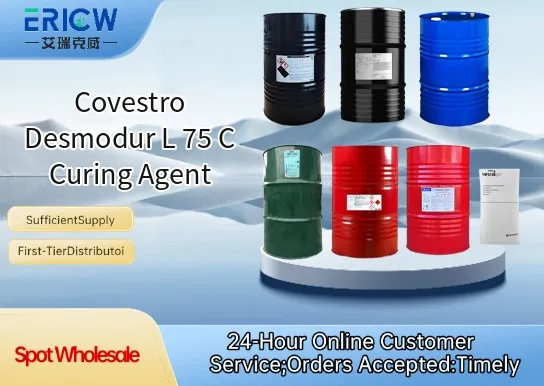
Aliphatic polyisocyanate-based curing agent offering excellent UV stability and minimal yellowing.
Low-viscosity liquid formulation enabling easy handling, precise metering, and efficient mixing with hydroxyl-functional resins.
Provides outstanding chemical resistance, hardness, and abrasion resistance in cured coatings.
Compatible with a broad range of polyester, acrylic, and polyether polyols for versatile two-component polyurethane systems.
Meets stringent VOC regulations with low monomeric isocyanate content and favorable EHS profile.
High-performance industrial maintenance coatings for machinery and equipment.
Automotive refinish clearcoats requiring gloss retention and weather resistance.
Wood coatings for furniture and flooring demanding durability and clarity.
Plastic coatings for automotive interior parts and consumer electronics housings.
General-purpose protective topcoats for metal substrates in architectural and agricultural applications.
| Chemical Type | Aliphatic polyisocyanate (hexamethylene diisocyanate–based) |
| Product Form | Liquid |
| Appearance | Clear, pale yellow liquid |
| NCO Content (wt %) | 15.5 – 16.5 |
| Viscosity at 25 °C (mPa·s) | 800 – 1,200 |
| Density at 20 °C (g/cm³) | 1.17 – 1.21 |
| Monomeric HDI Content (wt %) | < 0.5 |
| Storage Stability (unopened, 25 °C) | ≥ 12 months |
Q1: What is the primary chemical nature of Desmodur L 75 C?
A: Desmodur L 75 C is an aliphatic polyisocyanate-based curing agent, consisting predominantly of biuret-type oligomers derived from hexamethylene diisocyanate (HDI). It is solvent-free and designed for ambient- or low-temperature crosslinking in two-component polyurethane systems.
Q2: How does Desmodur L 75 C differ from aromatic isocyanate curing agents?
A: Unlike aromatic curing agents (e.g., those based on toluene diisocyanate or methylene diphenyl diisocyanate), Desmodur L 75 C offers superior UV stability and resistance to yellowing, making it suitable for applications where long-term gloss retention and color stability are critical—such as clearcoats, architectural coatings, and outdoor elastomers.
Q3: What types of resins is Desmodur L 75 C typically formulated with?
A: It is commonly paired with hydroxyl-functional acrylics, polyesters, or alkyds in two-component PU systems. Compatibility and reactivity should be verified experimentally, as performance depends on hydroxyl number, molecular weight, and steric hindrance of the resin component.
Q4: What are typical handling and storage recommendations?
A: Store in tightly sealed containers under dry, cool conditions (preferably below 30 °C) and protect from moisture, as isocyanates react readily with water. Use appropriate personal protective equipment (PPE), including nitrile gloves and respiratory protection when handling uncured material in poorly ventilated areas.
Contact With Us:
E-mail: wangxingqiang@ericwchem.com
Have a Questions? Call Us:
Add:
Building A1, Jiete Industrial Park, Huangpu District, Guangzhou City, Guangdong Province, China