English
 Español
 tiếng việt
 русский
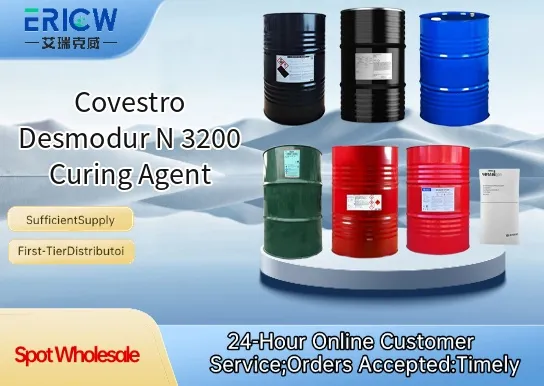
Aliphatic polyisocyanate based on hexamethylene diisocyanate (HDI), offering excellent UV stability and color retention.
Low-viscosity trimer formulation enabling easy handling, precise metering, and efficient mixing with hydroxyl-functional resins.
Non-yellowing performance ideal for high-gloss, exterior-grade coatings requiring long-term clarity and weather resistance.
Complies with global VOC regulations and supports low-VOC coating formulations without compromising crosslink density.
Consistent reactivity profile ensures reliable pot life control and robust film formation across diverse application conditions.
Automotive OEM clearcoats and topcoats for premium exterior finish systems.
Industrial maintenance coatings for machinery, agricultural equipment, and rail vehicles.
High-performance architectural coatings for façades, aluminum composite panels (ACPs), and metal cladding.
Plastic coatings for automotive interior trim, electronics housings, and consumer appliances.
Wood coatings for premium furniture, flooring, and kitchen cabinetry requiring durability and aesthetics.
| Chemical Type | Aliphatic HDI-based polyisocyanate (trimer) |
| Product Form | Liquid |
| Appearance | Clear, pale yellow liquid |
| NCO Content (wt %) | 15.5 – 16.5 |
| Viscosity at 25 °C (mPa·s) | 800 – 1,200 |
| Density at 20 °C (g/cm³) | 1.17 – 1.21 |
| VOC Content (g/L) | < 100 (as per EU Directive 2004/42/EC, category A/e) |
| Storage Stability | ≥ 12 months at 20–25 °C in original sealed container |
Q1: What is the primary chemical nature of Desmodur N 3200?
A: Desmodur N 3200 is an aliphatic polyisocyanate based on hexamethylene diisocyanate (HDI), supplied as a biuret-type trimer. It is non-volatile, low-viscosity, and designed for ambient- or heat-cured two-component polyurethane systems.
Q2: Is Desmodur N 3200 suitable for coatings requiring UV stability and color retention?
A: Yes — as an aliphatic isocyanate derivative, Desmodur N 3200 delivers excellent resistance to UV-induced yellowing and gloss loss, making it well-suited for high-performance topcoats in automotive refinish, industrial maintenance, and premium architectural applications.
Q3: How should Desmodur N 3200 be stored to maintain reactivity and shelf life?
A: Store in tightly sealed original containers under dry, cool conditions (below 30 °C), protected from moisture, direct sunlight, and incompatible materials such as water, alcohols, or amines. Prolonged exposure to humidity may cause gelation or viscosity increase.
Q4: Can Desmodur N 3200 be used in combination with hydroxyl-functional acrylic or polyester resins?
A: Yes — it is fully compatible with standard OH-functional acrylics, polyesters, and polyethers commonly used in 2K PU coating formulations. Compatibility and pot life should be verified experimentally for each specific resin blend and solvent system.
Q5: What safety precautions are essential when handling Desmodur N 3200?
A: As with all isocyanates, avoid inhalation of vapors or mists and prevent skin/eye contact. Use appropriate personal protective equipment (PPE), including nitrile gloves, chemical-resistant goggles, and respiratory protection where ventilation is inadequate. Always consult the latest Safety Data Sheet (SDS) before use.
Contact With Us:
E-mail: wangxingqiang@ericwchem.com
Have a Questions? Call Us:
Add:
Building A1, Jiete Industrial Park, Huangpu District, Guangzhou City, Guangdong Province, China