English
 Español
 tiếng việt
 русский
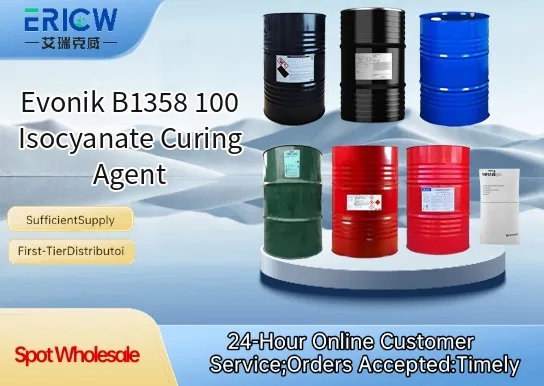
Aliphatic HDI-based polyisocyanate with excellent UV stability and color retention.
Low-viscosity liquid formulation enabling easy handling, precise metering, and efficient mixing.
Non-yellowing performance ideal for high-gloss and clear-coat applications.
Compatible with a broad range of hydroxyl-functional resins including polyacrylates, polyesters, and polyethers.
Meets stringent VOC regulations when formulated into compliant coating systems.
Automotive OEM and refinish topcoats requiring long-term gloss and clarity.
Industrial maintenance coatings for metal and plastic substrates.
High-performance wood coatings in furniture and flooring applications.
Plastic coatings for consumer electronics and automotive interior parts.
UV-resistant clearcoats for architectural and transportation applications.
| Chemical Type | Aliphatic polyisocyanate (HDI trimer) |
| Product Form | Liquid |
| Appearance | Clear, pale yellow liquid |
| NCO Content (wt %) | ~19.5–20.5% |
| Viscosity (25°C, mPa·s) | 1,000–1,400 |
| Density (20°C, g/cm³) | 1.17–1.20 |
| Flash Point (°C, closed cup) | 145–155 |
| Storage Stability | ≥12 months at 25°C in sealed original container |
Q1: What is the primary chemical nature of B1358 100?
A: Evonik B1358 100 is an aliphatic polyisocyanate based on hexamethylene diisocyanate (HDI), modified to provide improved handling characteristics and storage stability while maintaining excellent performance in two-component polyurethane systems.
Q2: How does B1358 100 differ from standard HDI trimer or biuret curing agents?
A: B1358 100 features a tailored molecular architecture that delivers lower viscosity and enhanced compatibility with a broad range of hydroxyl-functional resins—particularly beneficial for high-solids and low-VOC coatings formulations where flow, leveling, and pot life balance are critical.
Q3: What types of coating applications is B1358 100 typically used in?
A: It is widely employed in high-performance industrial maintenance coatings, automotive refinish topcoats, plastic coatings, and premium wood finishes—where exceptional gloss retention, UV resistance, and mechanical durability are required after cure.
Q4: What are the recommended storage conditions for B1358 100?
A: Store in tightly sealed original containers at temperatures between 10 °C and 30 °C, protected from moisture, direct sunlight, and excessive heat. Prolonged exposure to humidity or elevated temperatures may affect shelf life and reactivity.
Q5: How should B1358 100 be handled in formulation development?
A: As with all isocyanates, proper personal protective equipment (PPE) and engineering controls are essential during handling. Formulation dosage depends on the hydroxyl value and functionality of the resin component, but it is typically used at low concentrations relative to the total binder solids to achieve full crosslinking without compromising film flexibility or clarity.
Contact With Us:
E-mail: wangxingqiang@ericwchem.com
Have a Questions? Call Us:
Add:
Building A1, Jiete Industrial Park, Huangpu District, Guangzhou City, Guangdong Province, China