English
 Español
 tiếng việt
 русский
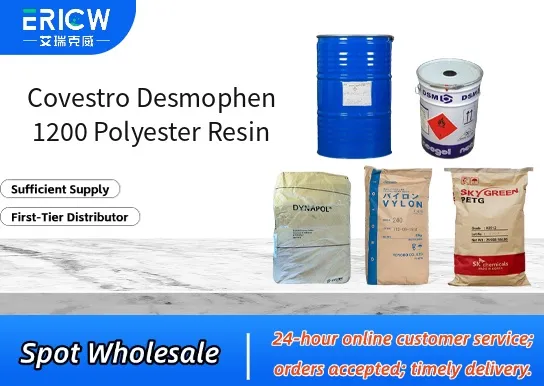
Aliphatic polyester diol with low viscosity for enhanced processability in reactive systems.
Excellent hydrolytic stability due to saturated backbone and absence of ester groups prone to degradation.
Consistent molecular weight distribution ensuring reproducible performance in polyurethane elastomers and coatings.
Low volatility and high thermal stability, supporting safe handling and elevated processing temperatures.
Compatible with isocyanates (e.g., HDI, IPDI) and chain extenders for tailored mechanical property profiles.
Castable polyurethane elastomers for industrial rollers, mining screens, and wear-resistant linings.
High-performance thermoplastic polyurethane (TPU) formulations requiring resilience and abrasion resistance.
Two-component polyurethane coatings for automotive trim, architectural substrates, and protective finishes.
Adhesives and sealants demanding flexibility, adhesion to diverse substrates, and environmental durability.
Reaction injection molding (RIM) and structural foam components in transportation and appliance sectors.
| Chemical Type | Aliphatic polyester diol |
| Product Form | Liquid |
| Appearance | Pale yellow, clear to slightly hazy |
| Hydroxyl Number (mg KOH/g) | 54–58 |
| Acid Number (mg KOH/g) | ≤ 0.5 |
| Water Content (wt %) | ≤ 0.05 |
| Viscosity at 25 °C (mPa·s) | 1,800–2,400 |
| Molecular Weight (g/mol, Mn) | ≈ 1,950 |
Q1: What is the primary function of Desmophen 1200 in polyurethane systems?
A: Desmophen 1200 is a low-viscosity, hydrophobic polyester resin designed primarily as a reactive polyol component in moisture-curing and two-component polyurethane formulations. It contributes flexibility, hydrolytic stability, and good low-temperature performance to the final polymer network.
Q2: Is Desmophen 1200 compatible with aromatic and aliphatic isocyanates?
A: Yes, Desmophen 1200 exhibits broad compatibility with common diisocyanates—including HDI, IPDI, and TDI—and performs well in both aromatic and aliphatic PU systems. Its ester structure supports consistent reactivity and predictable gel times across typical processing conditions.
Q3: How does Desmophen 1200 compare to adipate-based or caprolactone-based polyols in terms of hydrolytic resistance?
A: Desmophen 1200 offers significantly improved hydrolytic stability compared to standard adipate polyols due to its aromatic polyester backbone and optimized molecular architecture. While not as inherently resistant as certain caprolactone polyols, it provides a balanced profile of durability, processability, and cost-effectiveness for demanding outdoor or humid-environment applications.
Contact With Us:
E-mail: wangxingqiang@ericwchem.com
Have a Questions? Call Us:
Add:
Building A1, Jiete Industrial Park, Huangpu District, Guangzhou City, Guangdong Province, China