English
 Español
 tiếng việt
 русский
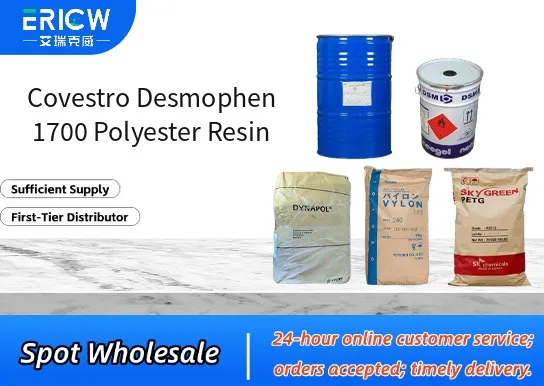
Aliphatic polyester diol with low color and excellent hydrolytic stability.
Designed for high-performance polyurethane elastomers requiring good UV resistance and long-term mechanical retention.
Consistent molecular weight distribution ensures reproducible processing and end-product performance.
Low volatility and minimal odor support safer handling and compliance with industrial hygiene standards.
Compatible with aromatic and aliphatic isocyanates, enabling versatile formulation flexibility.
Cast and centrifugal polyurethane elastomer components for mining and material handling.
High-abrasion-resistant wheels, rollers, and seals in industrial automation systems.
Dynamic automotive parts including suspension bushings and torque rod mounts.
Coated fabrics and thermoplastic polyurethane (TPU) blends requiring enhanced toughness and weatherability.
3D printing resins and specialty adhesives where clarity and hydrolysis resistance are critical.
| Chemical Type | Aliphatic polyester diol |
| Product Form | Liquid |
| Appearance | Pale yellow, clear liquid |
| Hydroxyl Value (mg KOH/g) | 54–58 |
| Acid Value (mg KOH/g) | ≤ 0.5 |
| Water Content (wt %) | ≤ 0.10 |
| Viscosity at 25 °C (mPa·s) | 1,800–2,400 |
| Functionality | ≈ 2.0 |
Q1: What is the primary function of Desmophen 1700 in polyurethane systems?
A: Desmophen 1700 is a low-viscosity, hydrophobic polyester resin designed primarily as a reactive polyol component in moisture-curing and two-component polyurethane formulations. It contributes flexibility, hydrolytic stability, and good mechanical properties to coatings, adhesives, and sealants.
Q2: Is Desmophen 1700 suitable for use in waterborne PU systems?
A: Desmophen 1700 is inherently hydrophobic and not self-emulsifiable; it is typically used in solvent-based or 100% solids PU systems. For waterborne applications, it may be incorporated into dispersed polyol phases only after appropriate modification or with compatibilizing agents—direct use without formulation adaptation is not recommended.
Q3: How does Desmophen 1700 compare to adipic acid–based polyester polyols in terms of hydrolytic resistance?
A: Due to its aromatic backbone and optimized ester group density, Desmophen 1700 offers enhanced hydrolytic resistance compared to conventional aliphatic polyester polyols—especially under humid or cyclic wet/dry conditions—making it well-suited for demanding outdoor and industrial coating applications.
Q4: What are typical storage and handling recommendations for Desmophen 1700?
A: Store in tightly sealed containers under dry, cool conditions (below 30 °C) and protect from moisture ingress and prolonged exposure to ambient humidity. Avoid contamination with water, acids, or strong bases. Prior to use, ensure containers are properly purged if opened repeatedly in high-humidity environments.
Contact With Us:
E-mail: wangxingqiang@ericwchem.com
Have a Questions? Call Us:
Add:
Building A1, Jiete Industrial Park, Huangpu District, Guangzhou City, Guangdong Province, China