English
 Español
 tiếng việt
 русский
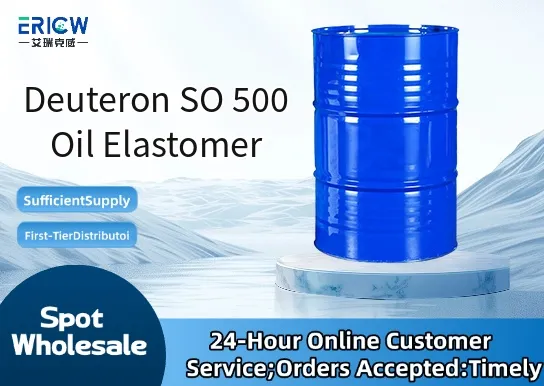
Highly compatible with saturated and unsaturated synthetic rubbers including EPDM, NBR, and SBR.
Excellent low-temperature flexibility retention without compromising tensile strength.
Low volatility and high thermal stability up to 150 °C under continuous service conditions.
Non-staining, non-migrating formulation suitable for light-colored and premium elastomer compounds.
Optimized viscosity profile (40 cSt at 100 °C) for uniform dispersion and efficient processing in internal mixers.
Automotive weatherstripping and door seals requiring long-term compression set resistance.
Industrial hoses and belts where dynamic flex fatigue performance is critical.
Roofing membranes and geomembranes exposed to UV and temperature cycling.
Medical-grade elastomeric components meeting ISO 10993 biocompatibility screening requirements.
Consumer appliance gaskets requiring odor neutrality and FDA-compliant extractables profile.
| Chemical Type | Saturated hydrocarbon white oil, highly refined paraffinic base |
| Product Form | Liquid at room temperature |
| Appearance | Clear, colorless, odorless liquid |
| Viscosity (100 °C) | 40 cSt (ASTM D445) |
| Flash Point (COC) | ≥240 °C (ASTM D92) |
| UV Absorption (280–400 nm) | ≤0.05 AU (indicative of high purity) |
| Volatility (16 h @ 150 °C) | <1.5 wt% (ASTM D5236) |
| Heavy Metals (Pb, As, Cd, Hg) | <5 ppm each (ICP-MS) |
Q1: What is the primary function of Deuteron SO 500 Oil Elastomer in elastomeric formulations?
A: Deuteron SO 500 Oil Elastomer functions as a high-performance process oil and softening agent, enhancing polymer chain mobility during compounding while contributing to improved elasticity, low-temperature flexibility, and reduced compound viscosity.
Q2: Which elastomer systems is Deuteron SO 500 Oil Elastomer typically compatible with?
A: It demonstrates excellent compatibility with saturated and unsaturated synthetic elastomers—including EPDM, NBR, SBR, and thermoplastic elastomers (TPEs)—and is commonly used in dynamic sealing, automotive hose, and vibration-damping applications where oil resistance and thermal stability are required.
Q3: How does Deuteron SO 500 differ from conventional naphthenic or paraffinic process oils?
A: Deuteron SO 500 is specifically engineered for elastomer applications with a tailored saturate content and optimized molecular weight distribution, offering superior extraction resistance, enhanced aging performance, and more consistent batch-to-batch rheological behavior compared to general-purpose process oils.
Q4: Is Deuteron SO 500 Oil Elastomer suitable for use in food-contact or potable water applications?
A: Deuteron SO 500 is not pre-qualified for direct food-contact or potable water applications. Its suitability for regulated environments must be evaluated case-by-case in collaboration with regulatory experts and end-product certifiers, based on final formulation, processing conditions, and intended use.
Q5: What guidance can you provide on recommended dosage levels?
A: Dosage is formulation-dependent and influenced by base polymer type, desired hardness, and performance targets. In most elastomer compounds, it is typically used at low concentrations—generally ranging from 0.1% to 2% by weight—though optimization through lab-scale trials is strongly recommended.
Contact With Us:
E-mail: wangxingqiang@ericwchem.com
Have a Questions? Call Us:
Add:
Building A1, Jiete Industrial Park, Huangpu District, Guangzhou City, Guangdong Province, China