English
 Español
 tiếng việt
 русский
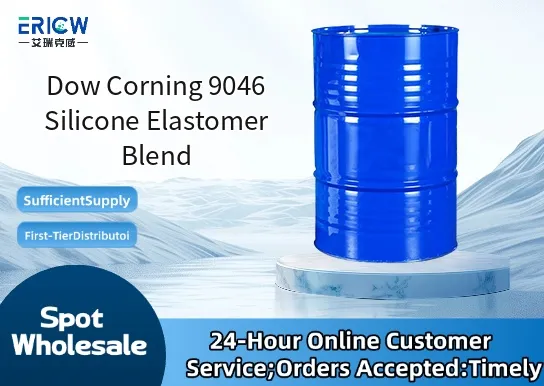
Two-part, addition-cure silicone elastomer system offering excellent processability and low compression set.
High tear strength and elongation at break for durable, flexible molded parts.
Excellent thermal stability with continuous service capability up to 200 °C.
Low viscosity before cure enables efficient mixing, degassing, and mold filling—even for intricate geometries.
Biocompatibility support per ISO 10993-5 and USP Class VI testing (when fully cured).
Medical device components including seals, gaskets, and wearable sensor housings.
Automotive under-hood sealing solutions requiring resilience across wide temperature ranges.
Consumer electronics interface pads and vibration-damping elements.
Industrial fluid handling components such as diaphragms and pump membranes.
Food-grade contact parts in processing equipment compliant with FDA 21 CFR 177.2600.
| Chemical Type | Platinum-catalyzed addition-cure silicone elastomer |
| Product Form | Two-component liquid system (Part A and Part B) |
| Appearance (Uncured) | Clear to translucent viscous liquids |
| Primary Applications | High-performance molded elastomeric parts for medical, automotive, and industrial use |
| Key Features | Low compression set, high tear resistance, excellent thermal aging stability |
| Benefits | Consistent part quality, extended service life, simplified processing vs. high-hardness HTV silicones |
| Curing Method | Heat-cured (e.g., 150 °C for 5–10 minutes) or room-temperature post-cure optional |
| Regulatory Support | ISO 10993-5 cytotoxicity, USP Class VI, FDA 21 CFR 177.2600 |
Q1: What is the primary function of Dow Corning 9046 in polymer formulations?
A: Dow Corning 9046 is a silicone elastomer blend designed to enhance surface properties—particularly slip, abrasion resistance, and soft-touch feel—when incorporated into thermoplastic polymers, coatings, and adhesives. It functions as a processable, non-migrating additive that modifies the outer interface without significantly affecting bulk mechanical properties.
Q2: Is Dow Corning 9046 compatible with common engineering thermoplastics?
A: Yes, it demonstrates good compatibility with a range of thermoplastics including polypropylene (PP), polyethylene (PE), ABS, polycarbonate (PC), and thermoplastic polyurethanes (TPU). Compatibility should be verified experimentally for each specific formulation due to variations in polymer architecture, additives, and processing conditions.
Q3: How is Dow Corning 9046 typically incorporated into a polymer melt?
A: It is generally introduced via masterbatch or direct melt blending using standard compounding equipment such as twin-screw extruders. Pre-drying is not required, and processing temperatures should remain within typical ranges for the host polymer to ensure stable dispersion and avoid thermal degradation of the silicone phase.
Q4: Does Dow Corning 9046 affect the recyclability of plastic parts?
A: As a silicone-based additive, it does not interfere with conventional mechanical recycling processes at typical use levels. However, its presence may influence surface characteristics of recycled pellets, so end-use performance should be evaluated in recycled-content formulations.
Contact With Us:
E-mail: wangxingqiang@ericwchem.com
Have a Questions? Call Us:
Add:
Building A1, Jiete Industrial Park, Huangpu District, Guangzhou City, Guangdong Province, China