English
 Español
 tiếng việt
 русский
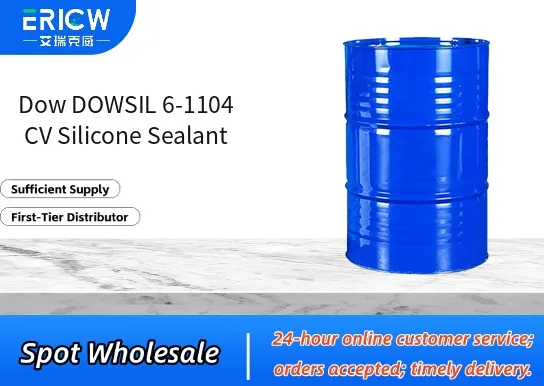
Acetoxy-cure silicone formulation delivering rapid skin-over and deep-section cure at ambient conditions.
Excellent adhesion to common construction substrates including glass, aluminum, anodized metal, and painted surfaces without primer.
High movement capability (±25% joint movement) with outstanding elasticity and long-term seal integrity.
Low modulus design minimizes stress on bonded substrates, reducing risk of debonding or substrate damage.
Non-corrosive to metals and compatible with most architectural glazing systems.
Perimeter sealing of insulating glass units (IGUs) in commercial façades and curtain walls.
Weatherproofing joints between aluminum framing and glass or composite panels.
Sealing of structural and non-structural glazing applications in new construction and renovation projects.
General-purpose sealing in architectural aluminum window and door assemblies.
Secondary sealing for double-glazed units where acetoxy cure is acceptable and ventilation ensures proper byproduct dissipation.
| Chemical Type | Acetoxy-cure silicone polymer |
| Product Form | Thixotropic paste in cartridge (300 mL) |
| Appearance | Opaque white or translucent gel-like consistency |
| Primary Applications | Architectural glazing, IGU perimeter sealing, aluminum-framed fenestration |
| Key Features | Rapid skin-over (<60 min), low modulus, high elasticity, primerless adhesion |
| Benefits | Improved installation efficiency, reduced labor cost, reliable long-term performance under thermal cycling |
| Cure Byproduct | Acetic acid (requires adequate ventilation during cure) |
| Shelf Life | 12 months from date of manufacture when stored unopened at ≤25°C |
Q1: What is the primary curing mechanism of DOWSIL 6-1104 CV silicone sealant?
A: DOWSIL 6-1104 CV is a condensation-cure silicone sealant that cures at room temperature upon exposure to atmospheric moisture, forming acetic acid as a byproduct during crosslinking.
Q2: Is this sealant suitable for bonding glass and aluminum in architectural curtain wall systems?
A: Yes, DOWSIL 6-1104 CV is specifically formulated for structural and non-structural glazing applications, offering strong adhesion to clean, primed glass and anodized or mill-finished aluminum without requiring a separate primer in many standard conditions.
Q3: Can it be painted after cure?
A: Post-cure painting is generally not recommended, as most conventional paints do not adhere reliably to fully cured condensation-cure silicone surfaces; if surface coating is required, compatibility testing with the intended paint system is strongly advised.
Q4: How does temperature affect its skin formation and full cure time?
A: Skin formation and through-cure are temperature- and humidity-dependent: lower temperatures and reduced humidity significantly extend both skin time and full cure duration, while warmer, more humid conditions accelerate the process.
Contact With Us:
E-mail: wangxingqiang@ericwchem.com
Have a Questions? Call Us:
Add:
Building A1, Jiete Industrial Park, Huangpu District, Guangzhou City, Guangdong Province, China