English
 Español
 tiếng việt
 русский
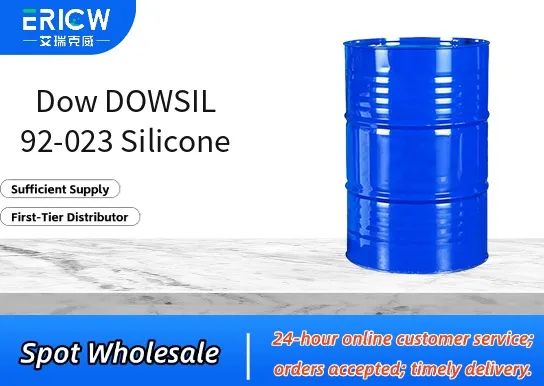
High-performance, two-part addition-cure liquid silicone rubber (LSR) with excellent flow and low viscosity for precise mold filling.
UL 94 V-0 rated flame retardancy without halogen additives, supporting safety-critical electrical insulation requirements.
Outstanding thermal stability—maintains mechanical integrity after prolonged exposure to temperatures up to 180 °C.
Low compression set and high elasticity enable reliable sealing performance in dynamic gasketing and vibration-damping applications.
Excellent adhesion to engineered plastics and metals without primer, reducing processing steps and improving manufacturing efficiency.
Automotive sensor encapsulation and protective potting for ADAS and powertrain electronics.
Medical device gaskets and seals requiring ISO 10993 biocompatibility and sterilization resistance.
Industrial LED lighting housings requiring thermal management and long-term UV stability.
Consumer electronics interface padding and environmental sealing for wearables and portable devices.
Electrical connectors and busbar insulation in energy storage systems and EV charging infrastructure.
| Chemical Type | Platinum-catalyzed addition-cure silicone elastomer |
| Product Form | Two-component liquid (Part A + Part B) |
| Appearance | Translucent, low-viscosity liquid (Part A); translucent liquid catalyst (Part B) |
| Primary Applications | Encapsulation, potting, gasketing, and sealing in demanding industrial and electronic environments |
| Key Features | Flame retardant (UL 94 V-0), high thermal stability, low compression set, excellent flow |
| Benefits | Reduced assembly complexity, extended service life under thermal cycling, compliance with RoHS and REACH |
| Cure System | Addition cure (hydrosilylation), no by-products |
| Shelf Life | 12 months at 25 °C in unopened original packaging |
Q1: What is the primary function of DOWSIL 92-023 in coating and ink formulations?
A: DOWSIL 92-023 is a silicone-based surface additive designed to improve substrate wetting, reduce surface defects (e.g., craters and orange peel), and enhance leveling and slip performance in solventborne and high-solids coatings, as well as printing inks.
Q2: Is DOWSIL 92-023 compatible with common resin systems such as acrylics, polyurethanes, and alkyds?
A: Yes — DOWSIL 92-023 demonstrates broad compatibility with major binder types including acrylics, polyurethanes, alkyds, and epoxy systems. Compatibility should be verified in the final formulation due to potential interactions with catalysts or reactive components.
Q3: How should DOWSIL 92-023 be incorporated into a formulation?
A: It is typically added during the let-down or post-addition stage under low-shear conditions. Pre-dilution in a compatible solvent may aid dispersion. Avoid high-shear mixing that could degrade silicone integrity or cause re-agglomeration.
Q4: Does DOWSIL 92-023 affect intercoat adhesion or overcoatability?
A: When used within recommended dosage ranges, DOWSIL 92-023 generally does not impair intercoat adhesion. However, excessive addition may lead to surface enrichment and potential adhesion issues — formulation optimization and adhesion testing are advised for critical applications.
Q5: Can DOWSIL 92-023 be used in food-contact or pharmaceutical-related coatings?
A: DOWSIL 92-023 is not pre-approved for direct food-contact applications. Its use in regulated environments requires full evaluation against applicable regional requirements and end-use compliance testing by the formulator or end user.
Contact With Us:
E-mail: wangxingqiang@ericwchem.com
Have a Questions? Call Us:
Add:
Building A1, Jiete Industrial Park, Huangpu District, Guangzhou City, Guangdong Province, China