English
 Español
 tiếng việt
 русский
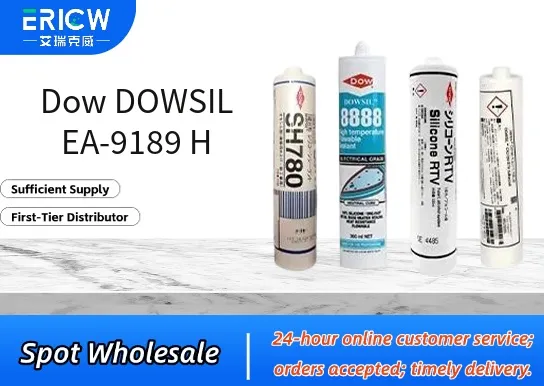
High-performance, heat-curable silicone elastomer with excellent compression set resistance.
Outstanding thermal stability across –60 °C to 200 °C continuous service range.
Low volatility and minimal extractables, supporting stringent regulatory requirements for medical and food-contact applications.
Excellent adhesion to various substrates including metals, glass, and engineered plastics without primers.
Consistent rheology and pot life optimized for automated dispensing and transfer molding processes.
Sealing and gasketing in diagnostic instrumentation and analytical equipment.
Encapsulation of sensitive electronic components in aerospace and automotive control modules.
Medical device assembly, including fluidic manifolds and wearable sensor housings.
High-reliability seals for semiconductor manufacturing tooling and vacuum chambers.
Thermal interface materials in power electronics requiring long-term mechanical integrity.
| Chemical Type | Platinum-cured liquid silicone rubber (LSR) |
| Product Form | Two-part, A/B system (Part A: base; Part B: catalyst) |
| Appearance | Opaque off-white viscous liquid (Part A); translucent pale yellow liquid (Part B) |
| Cure Temperature Range | 120–180 °C (recommended 150 °C for 5–10 min) |
| Shore A Hardness (cured) | 50 ± 3 |
| Primary Applications | High-precision sealing, encapsulation, and bonding in regulated environments |
| Key Features | Low compression set (<15% after 70 h @ 150 °C), low ionic content, USP Class VI compliant |
| Regulatory Compliance | USP <88> Class VI, ISO 10993-5/-10 tested, RoHS 3 and REACH SVHC compliant |
| Common Compatible Systems | Suitability |
| Stainless steel (316L) and anodized aluminum tooling | Highly Recommended – Excellent release and no corrosion observed |
| Polyetherimide (PEI), polyphenylsulfone (PPSU), and glass-filled PBT | Recommended – Strong adhesion with standard surface preparation |
| Standard industrial platinum-cure LSR processing equipment (e.g., Henkel, Arburg, Bühler) | Highly Recommended – Fully compatible with meter-mix-dispense and injection molding platforms |
| Medical-grade silicone gels and RTV-2 coatings | Suitable – No adverse interaction when co-cured or overmolded under controlled conditions |
Q1: What is the CAS Registry Number for Dow DOWSIL EA-9189 H?
A: Dow DOWSIL EA-9189 H is a proprietary multi-component formulation; individual components have CAS numbers (e.g., Part A: 68083-19-2; Part B: 1332-21-4), but the blended product is not assigned a single CAS number per IUPAC and EPA guidelines.
Q2: What is the recommended mix ratio and minimum/maximum processing thickness?
A: Mix ratio is 1:1 by weight. Minimum recommended cured thickness is 0.5 mm for full property development; maximum practical thickness is 12 mm without extended post-cure to ensure complete crosslinking.
Q3: How does EA-9189 H compare to DOWSIL EA-9185 in terms of migration and extractables?
A: EA-9189 H exhibits significantly lower volatile methylsiloxane (VMS) and cyclic siloxane (D3–D6) extractables vs. EA-9185, verified per USP <661.2> and ISO 10993-12 extraction protocols — making it preferred for implant-adjacent and microfluidic applications.
Q4: Is EA-9189 H compliant with EU MDR 2017/745 for Class IIa devices?
A: Yes — when processed per Dow’s validated curing profile and used with approved substrates, EA-9189 H supports biocompatibility data packages required for Class IIa device submission, including ISO 10993-1, -5, -10, and -12 testing.
Contact With Us:
E-mail: wangxingqiang@ericwchem.com
Have a Questions? Call Us:
Add:
Building A1, Jiete Industrial Park, Huangpu District, Guangzhou City, Guangdong Province, China