English
 Español
 tiếng việt
 русский
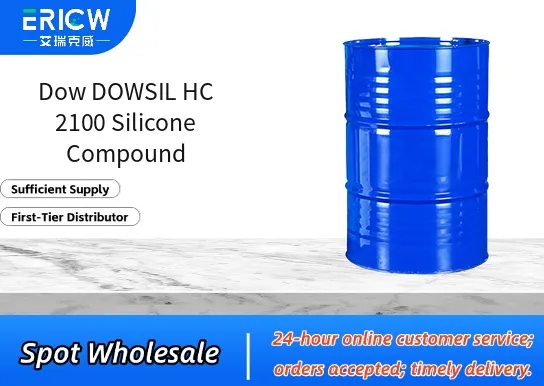
High thermal stability for reliable performance across extended temperature ranges.
Excellent electrical insulation properties with low dielectric loss.
Outstanding flexibility and resilience after curing, maintaining integrity under mechanical stress.
Low compression set for long-term sealing and gasketing effectiveness.
Good adhesion to common substrates including metals, plastics, and cured silicones without primer.
Automotive powertrain and engine compartment gaskets and seals.
Electrical and electronic encapsulation for high-voltage components.
Industrial HVAC system vibration-damping mounts and isolators.
Medical device housings requiring biocompatibility-supportive material platforms.
Aerospace cabin interior seals exposed to wide thermal cycling conditions.
| Chemical Type | High-consistency silicone rubber (HCR) |
| Product Form | Uncured compound in sheet or roll form |
| Appearance | Homogeneous, non-tacky, off-white to light beige elastomeric sheet |
| Primary Applications | Compression molding, transfer molding, and extrusion |
| Key Features | Platinum-cured, peroxide-free, low extractables |
| Benefits | Consistent batch-to-batch performance, excellent dimensional stability |
| Curing System | Platinum-based addition cure |
| Shelf Life (unopened, 25°C) | 12 months from date of manufacture |
Q1: What is the primary function of DOWSIL HC 2100 in polymer formulations?
A: DOWSIL HC 2100 is a high-consistency silicone compound designed primarily as a processing aid and surface modifier. It improves melt flow, reduces extrusion pressure, enhances surface gloss and smoothness, and helps minimize die buildup in thermoplastic and thermoset systems.
Q2: Is DOWSIL HC 2100 compatible with common engineering plastics such as polypropylene, polyethylene, and polycarbonate?
A: Yes, DOWSIL HC 2100 demonstrates broad compatibility with polyolefins (e.g., PP, PE), styrenics, and many engineering thermoplastics including polycarbonate and ABS. Compatibility should be verified under actual processing conditions due to formulation-specific variables like additives and thermal history.
Q3: How is DOWSIL HC 2100 typically incorporated into a compound?
A: It is generally introduced during compounding—either via side-feeding into an extruder or pre-blended with base resin and other additives. Due to its high-viscosity nature, uniform dispersion is achieved most effectively under controlled shear and temperature conditions typical of twin-screw extrusion.
Q4: Does DOWSIL HC 2100 affect the mechanical properties of the final part?
A: At typical use levels, it has minimal impact on tensile strength, impact resistance, or heat deflection temperature. However, excessive loading may influence stiffness or elongation; therefore, dosage should be optimized based on performance requirements and validated through application testing.
Q5: Can DOWSIL HC 2100 be used in applications requiring food contact compliance?
A: DOWSIL HC 2100 is not pre-approved for food-contact applications under global regulatory frameworks. Customers intending such use must conduct full regulatory evaluation—including migration testing and toxicological assessment—aligned with applicable regional requirements before commercial deployment.
Contact With Us:
E-mail: wangxingqiang@ericwchem.com
Have a Questions? Call Us:
Add:
Building A1, Jiete Industrial Park, Huangpu District, Guangzhou City, Guangdong Province, China