English
 Español
 tiếng việt
 русский
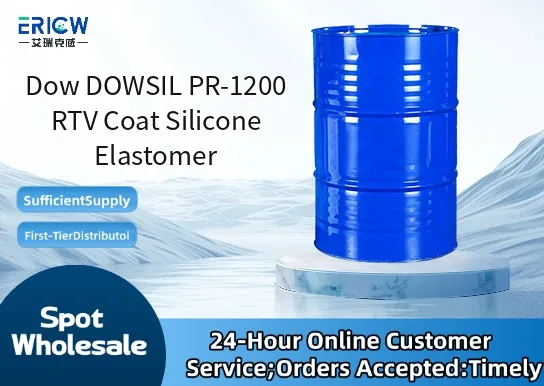
Fast room-temperature vulcanization (RTV) with low-energy cure profile, enabling efficient line-speed processing.
Excellent adhesion to diverse substrates including metals, plastics, glass, and painted surfaces without primers.
High elongation (>300%) and outstanding flexibility over wide temperature range (–55 °C to +200 °C).
Superior resistance to moisture, ozone, UV radiation, and thermal aging — ideal for long-term outdoor exposure.
Low volatility and minimal outgassing, meeting stringent requirements for electronics and optical applications.
Protective conformal coating for printed circuit boards (PCBs) and electronic assemblies.
Sealing and encapsulation of LED modules, sensors, and automotive lighting units.
Edge bonding and stress-relief coating for flexible displays and touch panels.
Moisture-barrier overcoat for photovoltaic backsheet laminates and solar module edge seals.
Functional coating on medical device housings requiring biocompatibility support and sterilization resistance.
| Chemical Type | Platinum-cured addition-cure silicone elastomer |
| Product Form | Low-viscosity liquid (paste-like consistency, suitable for spray, dip, or curtain coating) |
| Appearance | Translucent to slightly hazy, colorless to pale amber liquid |
| Primary Applications | Protective coatings, conformal coatings, edge seals, and functional elastomeric layers |
| Key Features | RTV cure, primerless adhesion, high elongation, thermal/UV stability |
| Benefits | Reduced processing time, improved reliability, extended service life in harsh environments |
| Cure Mechanism | Addition reaction (no by-products) |
| Storage Stability | ≥6 months at 25 °C in unopened original container |
Q1: What is the primary function of DOWSIL PR-1200 in coating systems?
A: DOWSIL PR-1200 is a two-component, addition-cure silicone elastomer designed to provide durable, flexible, and chemically resistant topcoats or protective overcoats—particularly for demanding industrial and electronic applications where thermal stability, dielectric integrity, and long-term adhesion are critical.
Q2: Can DOWSIL PR-1200 be applied over common substrate materials such as plastics, metals, and cured epoxy coatings?
A: Yes, it demonstrates good adhesion to a broad range of substrates—including aluminum, stainless steel, polycarbonate, and many thermoset coatings—when surface preparation (e.g., cleaning and optional primer treatment) is performed according to Dow’s recommended guidelines.
Q3: How does cure behavior differ between room-temperature and elevated-temperature processing?
A: DOWSIL PR-1200 cures at room temperature via platinum-catalyzed addition reaction, but cure speed and final crosslink density increase significantly with mild heat—typically accelerating full cure when processed at 60–100 °C. Post-cure is not required for basic functionality but may enhance long-term thermal and mechanical performance.
Q4: Is DOWSIL PR-1200 compatible with automated dispensing and spray application equipment?
A: Yes—it is formulated for compatibility with standard industrial meter-mix-dispense systems and airless spray equipment. Viscosity and pot life support consistent, repeatable application; however, equipment should be cleaned promptly with appropriate solvents after use to prevent catalyst inhibition or residue buildup.
Contact With Us:
E-mail: wangxingqiang@ericwchem.com
Have a Questions? Call Us:
Add:
Building A1, Jiete Industrial Park, Huangpu District, Guangzhou City, Guangdong Province, China