English
 Español
 tiếng việt
 русский
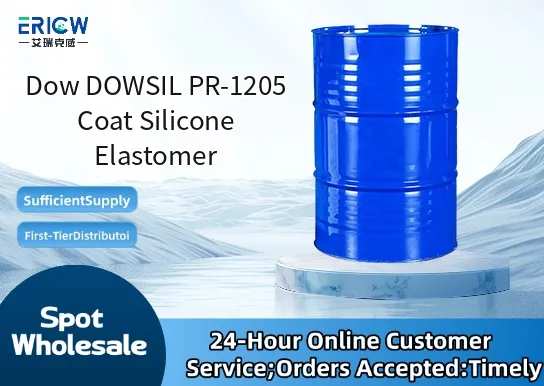
High-performance, two-part addition-cure silicone elastomer designed for precision coating and encapsulation.
Excellent thermal stability with continuous service temperature range from –60 °C to 200 °C.
Low compression set and outstanding elasticity retention after prolonged thermal aging.
Good adhesion to common substrates including metals, plastics, and cured silicone surfaces without primer.
UL 94 V-0 rated for flame resistance when formulated per specified thickness and cure conditions.
Protective conformal coatings for automotive power electronics and battery management systems (BMS).
Encapsulation of high-voltage sensors and LED modules in outdoor lighting and EV charging infrastructure.
Dielectric coating for flexible printed circuits (FPCs) and hybrid microelectronics exposed to harsh environments.
Sealing and potting of industrial control units requiring long-term reliability under thermal cycling.
| Chemical Type | Platinum-catalyzed addition-cure silicone elastomer |
| Product Form | Two-component liquid system (Part A: base; Part B: catalyst) |
| Appearance | Part A: translucent viscous liquid; Part B: translucent low-viscosity liquid |
| Mix Ratio by Weight | 10:1 (A:B) |
| Cure Schedule (Typical) | 20 min at 125 °C or 24 h at 25 °C |
| Shore A Hardness (7 days, 23 °C) | 40–45 |
| Tensile Strength (ASTM D412) | ≥ 6.0 MPa |
| Elongation at Break (ASTM D412) | ≥ 250% |
Q1: What is the primary function of DOWSIL PR-1205 in coating formulations?
A: DOWSIL PR-1205 is a reactive silicone elastomer designed to enhance surface performance in protective and decorative coatings. It imparts improved mar resistance, reduced friction, enhanced slip, and better substrate release—particularly valuable in high-performance industrial and architectural coatings where durability and aesthetics are critical.
Q2: Is DOWSIL PR-1205 compatible with common resin systems such as acrylics, polyurethanes, and epoxies?
A: Yes, DOWSIL PR-1205 exhibits broad compatibility with thermosetting and thermoplastic resin systems including solventborne and waterborne acrylics, polyurethanes, and epoxy-based coatings. Its reactive silane functionality enables covalent integration into the cured film network, supporting stable performance without phase separation under typical formulation conditions.
Q3: How is DOWSIL PR-1205 typically incorporated into a coating formulation?
A: It is generally added during the let-down or post-addition stage, after main resin dispersion, to preserve its reactive integrity. Mixing should be performed under moderate shear and controlled temperature to avoid premature condensation. Dosage depends on formulation requirements but typically ranges from 0.1% to 2% by weight relative to total solids.
Q4: Does DOWSIL PR-1205 affect cure kinetics or film hardness development?
A: DOWSIL PR-1205 may slightly extend surface cure time due to its surface-active migration behavior, but it does not significantly inhibit overall crosslink density when properly formulated. Final film hardness and through-cure are maintained, with improvements observed in surface toughness and resistance to mechanical abrasion.
Contact With Us:
E-mail: wangxingqiang@ericwchem.com
Have a Questions? Call Us:
Add:
Building A1, Jiete Industrial Park, Huangpu District, Guangzhou City, Guangdong Province, China