English
 Español
 tiếng việt
 русский
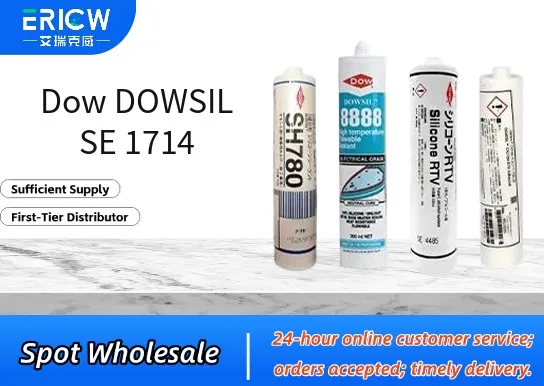
High-performance, addition-cure liquid silicone rubber (LSR) with excellent thermal stability and low compression set.
Ultra-low viscosity formulation enabling precise metering, efficient mold filling, and fine-detail replication.
Platinum-catalyzed chemistry offering rapid cure kinetics at elevated temperatures (e.g., 110–150 °C).
Excellent biocompatibility profile compliant with ISO 10993-5 and USP Class VI testing requirements.
Low extractables and minimal volatile organic compound (VOC) emissions post-cure, supporting clean manufacturing environments.
Medical device components including seals, gaskets, tubing connectors, and wearable sensor housings.
Pharmaceutical primary packaging components such as stoppers, plungers, and dispensing system parts.
Automotive under-hood sensors and electronic encapsulation requiring long-term thermal resilience.
Consumer health devices including oral care accessories, respiratory masks, and skin-contact wearables.
Industrial fluid handling components where chemical resistance and dimensional stability are critical.
| Chemical Type | Platinum-catalyzed addition-cure liquid silicone rubber (LSR) |
| Product Form | Two-part (Part A + Part B), ready-to-mix liquid system |
| Appearance (Uncured) | Translucent to slightly hazy viscous liquid (color varies by grade) |
| Cure Temperature Range | 110–150 °C (typical mold temperature) |
| Shore A Hardness (Cured) | 40 ± 5 (per ASTM D2240, 7-day post-cure at 150 °C) |
| Primary Applications | High-precision medical, pharmaceutical, and technical elastomer molding |
| Key Features | Low viscosity, fast cure, excellent flow, low compression set, high tear strength |
| Regulatory Compliance | Meets ISO 10993-5 (cytotoxicity), USP Class VI, and FDA 21 CFR 177.2600 (indirect food contact) |
| Common Compatible Systems | Suitability |
| Dow DOWSIL™ LSR Processing Equipment (e.g., Henkel, Bühler, Desma) | Highly Recommended – Optimized for metering, mixing, and injection parameters |
| Standard hot-runner molds with platinum-safe materials (e.g., Inconel, Hastelloy) | Highly Recommended – Prevents catalyst poisoning and ensures consistent cure |
| Conventional LSR curing ovens and continuous vulcanization (CV) lines | Recommended – Requires precise temperature profiling for full crosslink development |
| Automated robotic dispensing systems with volumetric or gravimetric control | Suitable – Compatible with standard LSR dosing hardware; calibration recommended per batch |
Q1: What is the CAS Registry Number for Dow DOWSIL SE 1714?
A: Dow DOWSIL SE 1714 is a proprietary multi-component formulation; individual CAS numbers are assigned to its base polymer (CAS 63148-62-9), crosslinker (CAS 68037-59-2), and catalyst (CAS 12151-77-0). Full composition details are available under NDA upon request.
Q2: What is the recommended mix ratio and pot life after mixing?
A: The standard mix ratio is 1:1 by weight (Part A:Part B). At 25 °C, the working life (pot life) is approximately 24 hours before viscosity increase exceeds processing limits; refrigerated storage (5–10 °C) extends usability to 72 hours.
Q3: How does Dow DOWSIL SE 1714 compare to Dow DOWSIL SE 1700 in terms of flow and cure speed?
A: SE 1714 offers ~30% lower viscosity and ~25% faster cure kinetics than SE 1700 at equivalent temperatures, making it preferred for ultra-thin wall geometries and high-cycle production, while maintaining comparable biocompatibility and mechanical performance.
Q4: Are extractable levels validated for parenteral drug contact applications?
A: Yes — per ICH Q5C and PQRI guidelines, extractables profiling (via GC-MS and LC-MS/MS) confirms total organic extractables < 5 µg/g after 7-day extraction in water and 0.9% saline at 50 °C, supporting use in Class II/III drug delivery systems.
Q5: Does Dow provide migration data for ISO 10993-17 (toxicological risk assessment)?
A: Yes — comprehensive migration studies (simulated use conditions per ISO 10993-17 Annex D) support threshold of toxicological concern (TTC) compliance for all intended patient-contact durations, including chronic (≥30 days) exposure scenarios.
Contact With Us:
E-mail: wangxingqiang@ericwchem.com
Have a Questions? Call Us:
Add:
Building A1, Jiete Industrial Park, Huangpu District, Guangzhou City, Guangdong Province, China