English
 Español
 tiếng việt
 русский
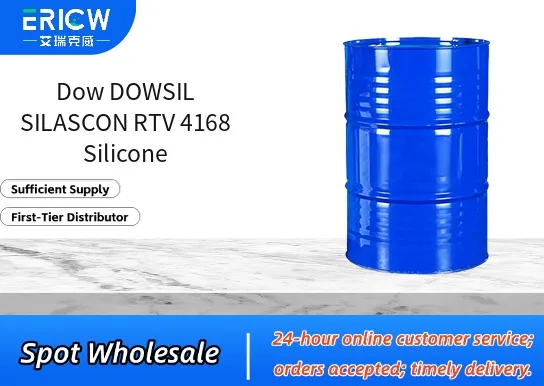
High-performance, two-part addition-cure silicone elastomer offering excellent thermal stability and low compression set.
Exceptional electrical insulation properties with low dielectric loss and high volume resistivity.
Good adhesion to common substrates including metals, plastics, and cured silicone without primer.
Low viscosity in mixed state enables easy dispensing, potting, and encapsulation of delicate electronic components.
UL 94 V-0 rated for flame resistance, supporting safety-critical applications in demanding environments.
Encapsulation and protection of power electronics, including IGBT modules and EV inverters.
Potting of high-voltage transformers and busbar assemblies in renewable energy systems.
Thermal interface and stress-relief material for LED lighting drivers and power supplies.
Sealing and bonding in aerospace avionics housings requiring wide temperature range performance.
Insulating encapsulant for medical device sensors and implantable-grade electronics (non-implantable use).
| Chemical Type | Platinum-catalyzed addition-cure silicone elastomer |
| Product Form | Two-component liquid system (Part A + Part B) |
| Appearance | Part A: Transparent to translucent viscous liquid; Part B: Translucent liquid |
| Base Polymer | Dimethyl/methylvinyl siloxane copolymer |
| Cure Mechanism | Room temperature or elevated temperature addition cure |
| Shore A Hardness (7 days, 23°C) | 45–55 |
| Tensile Strength (ASTM D412) | ≥8.0 MPa |
| Volume Resistivity (ASTM D257) | ≥1.0 × 10¹⁵ Ω·cm |
Q1: What is the primary function of DOWSIL SILASCON RTV 4168 in silicone formulations?
A: DOWSIL SILASCON RTV 4168 is a high-performance silicone-based release agent designed to provide durable, non-migrating surface release properties in room-temperature vulcanizing (RTV) silicone systems, particularly for demanding mold-making and casting applications.
Q2: Is DOWSIL SILASCON RTV 4168 compatible with platinum-cure and tin-cure silicone systems?
A: Yes, it is formulated for broad compatibility with both platinum-cure and tin-cure RTV silicones. However, compatibility should always be verified in the final formulation under actual processing conditions due to potential interactions with catalysts or inhibitors.
Q3: How is DOWSIL SILASCON RTV 4168 typically incorporated into RTV silicone compounds?
A: It is generally added during the mixing stage—either before or after base polymer addition—and dispersed uniformly using standard high-shear mixing equipment. Dosage depends on formulation requirements but is typically used at low concentrations to achieve effective release without compromising cure kinetics or mechanical properties.
Q4: Does DOWSIL SILASCON RTV 4168 affect the cure speed or final physical properties of RTV silicones?
A: When used within recommended dosage ranges, it generally does not significantly inhibit cure or degrade key performance attributes such as tensile strength, elongation, or thermal stability. However, excessive loading may influence surface tack or post-cure behavior, so optimization is advised for each application.
Contact With Us:
E-mail: wangxingqiang@ericwchem.com
Have a Questions? Call Us:
Add:
Building A1, Jiete Industrial Park, Huangpu District, Guangzhou City, Guangdong Province, China