English
 Español
 tiếng việt
 русский
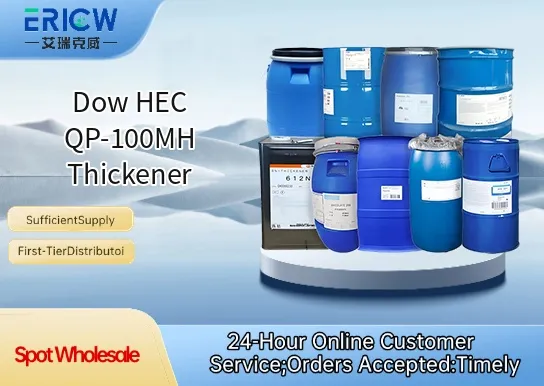
High molecular weight hydroxyethyl cellulose offering exceptional viscosity build and suspension stability in aqueous systems.
Excellent water solubility with rapid dispersion and minimal lump formation during hydration.
Outstanding shear-thinning rheology, enabling easy application and leveling while maintaining sag resistance.
Compatible with a broad range of electrolytes, surfactants, and biocides commonly used in industrial formulations.
Non-ionic nature ensures consistent performance across varying pH ranges (pH 3–11).
Architectural coatings — interior and exterior latex paints requiring high viscosity and spatter resistance.
Industrial maintenance coatings — primers, topcoats, and anti-corrosive formulations demanding robust rheology control.
Adhesives and sealants — water-based acrylic and PVA systems requiring green strength and open-time extension.
Tile grouts and cementitious mortars — where water retention and workability retention are critical.
Agrochemical suspensions — stable formulation of wettable powders and flowable concentrates.
| Chemical Type | Hydroxyethyl cellulose (HEC) |
| Product Form | Free-flowing white to off-white granular powder |
| Appearance | White to light tan granules, free of visible impurities |
| Primary Applications | Water-based paints, coatings, adhesives, construction mortars, agrochemicals |
| Key Features | High thickening efficiency, excellent water retention, non-ionic, pH-stable |
| Benefits | Improved sag resistance, enhanced pigment suspension, extended working time, reduced splatter |
| Solubility | Readily dispersible and soluble in cold water |
| Storage Conditions | Store in original unopened packaging at 15–30°C, low humidity |
Q1: What is the primary functional role of Dow HEC QP-100MH in formulations?
A: Dow HEC QP-100MH is a hydroxyethyl cellulose (HEC) thickener designed to provide efficient rheology modification—primarily delivering high low-shear viscosity and excellent suspension capability while maintaining good flow and leveling characteristics in aqueous systems.
Q2: How does QP-100MH differ from other HEC grades like QP-4400 or QP-30000?
A: QP-100MH is specifically engineered for medium-to-high molecular weight performance, offering a balanced combination of viscosity build, pseudoplasticity, and ease of dispersion. Compared to lower-MW grades, it delivers greater thickening efficiency at lower use levels; versus higher-MW variants, it offers improved compatibility and reduced stringiness in sensitive applications such as architectural coatings and personal care emulsions.
Q3: Is Dow HEC QP-100MH compatible with common preservatives, electrolytes, and surfactants?
A: Yes—QP-100MH exhibits broad compatibility with widely used biocides, anionic and nonionic surfactants, and moderate levels of salts. However, formulation stability should be verified empirically, particularly in high-electrolyte or low-pH systems where viscosity may be partially attenuated.
Q4: What are typical dosage ranges for effective thickening with QP-100MH?
A: Dosage depends on formulation requirements and desired rheological profile, but it is typically used at low concentrations—generally ranging from 0.1% to 2% by weight in the final aqueous phase—to achieve target viscosity and stability without compromising clarity or application properties.
Q5: Can QP-100MH be used in cold-water dispersible systems?
A: Yes—QP-100MH is suitable for both hot- and cold-process dissolution. For optimal cold-water dispersion, pre-hydration using a water-miscible solvent (e.g., propylene glycol) or gradual addition under high-shear mixing is recommended to prevent agglomeration and ensure uniform hydration.
Contact With Us:
E-mail: wangxingqiang@ericwchem.com
Have a Questions? Call Us:
Add:
Building A1, Jiete Industrial Park, Huangpu District, Guangzhou City, Guangdong Province, China