English
 Español
 tiếng việt
 русский
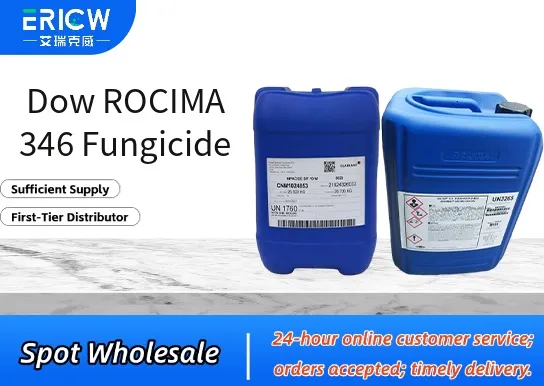
Broad-spectrum fungicidal activity against key spoilage fungi including Aspergillus, Penicillium, and Cladosporium.
Low-use concentration effective at ppm levels, minimizing formulation impact on product aesthetics and performance.
Excellent stability across a wide pH range (pH 4–10), ensuring compatibility with diverse aqueous systems.
Non-volatile and non-oxidizing, supporting long-term preservative efficacy without compromising material integrity.
Designed for low-odor, non-staining performance—ideal for sensitive consumer-facing applications.
Water-based architectural coatings and interior paints.
Industrial maintenance coatings and protective finishes.
Adhesives, sealants, and caulking compounds.
Printing inks and pigment dispersions.
Construction chemicals including grouts, mortars, and tile adhesives.
| Chemical Type | Isothiazolinone-based biocide (mixture of 5-chloro-2-methyl-4-isothiazolin-3-one and 2-methyl-4-isothiazolin-3-one) |
| Product Form | Aqueous solution |
| Appearance | Clear, light yellow to amber liquid |
| pH (1% solution, 25°C) | 2.5–4.5 |
| Density (20°C) | 1.08–1.12 g/cm³ |
| Solubility | Miscible with water; compatible with most polar organic solvents |
| Primary Applications | Preservation of water-based industrial formulations |
| Key Features | Broad antifungal spectrum, low toxicity profile, regulatory compliance (EPA, EU BPR) |
Q1: What is the primary mode of action of Dow ROCIMA 346 Fungicide?
A: Dow ROCIMA 346 Fungicide functions as a broad-spectrum fungistatic agent, primarily inhibiting fungal growth through interference with essential metabolic pathways in susceptible microorganisms. Its activity is optimized in aqueous systems where it remains stable and bioavailable over extended periods.
Q2: In which types of industrial formulations is ROCIMA 346 typically used?
A: It is commonly incorporated into water-based industrial products such as metalworking fluids, latex paints, adhesives, caulks, and construction chemicals—especially where long-term protection against mold, yeast, and bacteria is required during storage and in-service use.
Q3: How should ROCIMA 346 be added to a formulation for optimal performance?
A: For best results, ROCIMA 346 should be added during the cool-down phase of manufacturing, after pH adjustment and in the presence of adequate mixing. It is generally compatible with common formulation ingredients but should be evaluated for stability and efficacy in the final matrix under representative processing and storage conditions.
Q4: Is ROCIMA 346 suitable for use in products intended for direct food contact applications?
A: ROCIMA 346 is not approved for direct food contact applications. It is designed for non-food industrial uses. Formulators requiring antimicrobial protection in food-contact materials must consult applicable regulatory authorities and select alternatives specifically cleared for such purposes.
Contact With Us:
E-mail: wangxingqiang@ericwchem.com
Have a Questions? Call Us:
Add:
Building A1, Jiete Industrial Park, Huangpu District, Guangzhou City, Guangdong Province, China