English
 Español
 tiếng việt
 русский
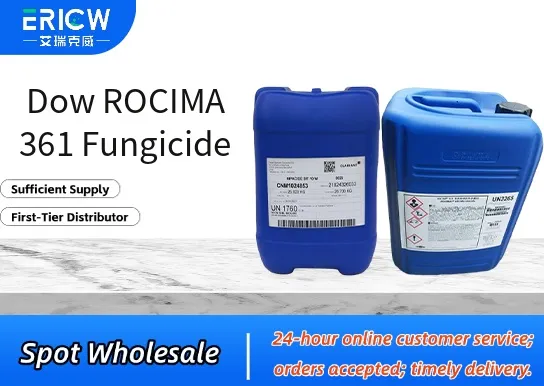
Broad-spectrum efficacy against key fungal pathogens including Aspergillus, Penicillium, and Cladosporium.
Low-use concentration with high biocidal activity, enabling effective preservation at ppm-level dosing.
Excellent stability in water-based formulations across a wide pH range (pH 4–9).
Non-volatile and non-oxidizing, minimizing impact on product odor, color, and performance.
Compatible with common industrial surfactants, thickeners, and emulsifiers in complex formulations.
Preservation of water-based paints and architectural coatings.
Protection of adhesives and sealants during storage and application.
Stabilization of latex dispersions and polymer emulsions.
Microbial control in construction chemicals including grouts and mortars.
Preservation of cleaning concentrates and industrial maintenance fluids.
| Chemical Type | Isothiazolinone-based biocide (active ingredient: 2-Methylisothiazolin-3-one and 5-Chloro-2-methylisothiazolin-3-one) |
| Product Form | Aqueous solution |
| Appearance | Clear, pale yellow liquid |
| pH (1% aqueous solution) | 3.0 – 5.0 |
| Density (20°C) | 1.08 – 1.12 g/cm³ |
| Solubility | Miscible with water and polar organic solvents |
| Primary Applications | Industrial preservative for water-based formulations |
| Key Features | Fast-acting, non-leaching, low mammalian toxicity profile |
Q1: What is the primary mode of action of Dow ROCIMA 361 Fungicide?
A: Dow ROCIMA 361 is a broad-spectrum fungicide based on a proprietary isothiazolone chemistry. It acts primarily by inhibiting key enzymatic processes essential for fungal cell metabolism and energy production, leading to rapid suppression of spoilage microorganisms in industrial water systems and formulated products.
Q2: In which types of industrial systems is Dow ROCIMA 361 most commonly applied?
A: It is widely used in non-oxidizing biocide programs for recirculating cooling water systems, process water loops, paper mill white water systems, and metalworking fluid sumps—particularly where control of sulfate-reducing bacteria, slime-forming fungi, and filamentous microbes is critical.
Q3: Is Dow ROCIMA 361 compatible with common corrosion inhibitors and scale controllers?
A: Yes, ROCIMA 361 generally demonstrates good compatibility with phosphonate-based scale inhibitors, azole-type corrosion inhibitors, and many polymer dispersants when used within recommended dosage ranges and pH conditions. Compatibility testing under site-specific water chemistry is advised prior to full-scale implementation.
Q4: How should Dow ROCIMA 361 be dosed for effective long-term microbial control?
A: Dosing is typically continuous or intermittent, depending on system dynamics and microbial challenge. It is generally applied at low concentrations sufficient to maintain a residual biocidal level—dosage depends on formulation requirements, water quality, temperature, and organic loading, and is best determined through field trials and routine microbiological monitoring.
Contact With Us:
E-mail: wangxingqiang@ericwchem.com
Have a Questions? Call Us:
Add:
Building A1, Jiete Industrial Park, Huangpu District, Guangzhou City, Guangdong Province, China