English
 Español
 tiếng việt
 русский
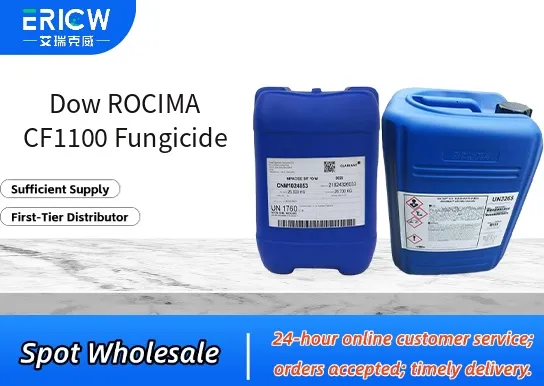
Broad-spectrum efficacy against key fungal pathogens including Aspergillus, Penicillium, and Cladosporium.
Low-volatility formulation ensures enhanced stability and reduced airborne migration in enclosed systems.
Compatible with a wide range of water-based industrial formulations, including paints, coatings, and adhesives.
Non-leaching active ingredient provides long-term protection without compromising substrate integrity.
Designed for low-dose performance—effective at concentrations as low as 0.05–0.20% w/w in final product.
Interior architectural paints and emulsion-based wall coatings.
Water-based wood coatings and primers for interior use.
Industrial maintenance coatings for HVAC systems and duct linings.
Adhesives and sealants used in construction and furniture manufacturing.
Textile finishing treatments requiring mold resistance in humid environments.
| Chemical Type | Isothiazolinone-based biocide (mixture of 1,2-benzisothiazolin-3-one and 2-methyl-4-isothiazolin-3-one) |
| Product Form | Aqueous liquid concentrate |
| Appearance | Clear to slightly hazy, pale yellow liquid |
| pH (1% aqueous solution) | 3.0–5.0 |
| Density (20°C) | 1.08–1.12 g/cm³ |
| Solubility | Miscible with water and common polar organic solvents (e.g., glycol ethers, alcohols) |
| Primary Applications | Preservation of water-based industrial formulations |
| Storage Stability | ≥24 months at 5–25°C in original sealed container |
Q1: What is the primary mode of action for Dow ROCIMA CF1100 Fungicide?
A: Dow ROCIMA CF1100 Fungicide functions as a broad-spectrum fungistatic agent, primarily inhibiting fungal growth through disruption of cellular membrane integrity and metabolic processes. Its efficacy is optimized in aqueous systems where microbial contamination poses stability or spoilage risks.
Q2: In which types of industrial formulations is ROCIMA CF1100 typically used?
A: It is commonly incorporated into water-based coatings, adhesives, construction materials, metalworking fluids, and architectural paints—particularly where long-term preservation against mold, yeast, and bacteria is required during storage and in-service conditions.
Q3: How should ROCIMA CF1100 be incorporated into a formulation?
A: It is recommended to add ROCIMA CF1100 during the final stages of manufacturing, after pH adjustment and cooling, to ensure optimal stability and activity. Pre-dilution with water or compatible solvent may aid uniform dispersion, especially in viscous systems.
Q4: Is ROCIMA CF1100 compatible with common biocides and preservatives?
A: ROCIMA CF1100 generally exhibits good compatibility with isothiazolinones, benzisothiazolinone, and formaldehyde releasers when used at typical dosage levels. However, compatibility testing under actual formulation conditions—including pH, temperature, and ionic strength—is strongly advised before full-scale implementation.
Q5: What safety and handling precautions should be observed?
A: As with all industrial biocides, appropriate personal protective equipment (PPE) such as gloves and eye protection should be worn during handling. Avoid inhalation of mists or prolonged skin contact. Full safety guidance is provided in the product’s Safety Data Sheet (SDS), which must be consulted prior to use.
Contact With Us:
E-mail: wangxingqiang@ericwchem.com
Have a Questions? Call Us:
Add:
Building A1, Jiete Industrial Park, Huangpu District, Guangzhou City, Guangdong Province, China