English
 Español
 tiếng việt
 русский
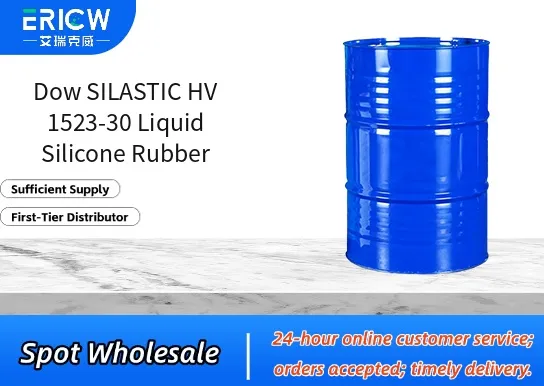
High-consistency, addition-cure liquid silicone rubber with excellent flow control for precision molding.
Low compression set and outstanding thermal stability for long-term performance at elevated temperatures.
Biocompatibility compliant with ISO 10993-5 and USP Class VI, suitable for medical device applications.
Excellent dielectric properties and consistent electrical insulation across wide temperature and frequency ranges.
Optimized viscosity ratio between A and B components for reliable metering, mixing, and processing in automated LSR systems.
Medical-grade seals and gaskets for diagnostic equipment and drug delivery devices.
Flexible, durable housings and protective overmolds for implantable and wearable healthcare electronics.
High-reliability encapsulants for automotive sensors operating under under-hood conditions.
Soft-touch grips and ergonomic components for consumer health and personal care devices.
Food-contact compliant parts for kitchen appliances and beverage dispensing systems (FDA-compliant formulation).
| Chemical Type | Platinum-catalyzed addition-cure silicone elastomer |
| Product Form | Two-part liquid (Part A + Part B) |
| Appearance (Part A) | Translucent, low-viscosity liquid |
| Appearance (Part B) | Translucent, low-viscosity liquid |
| Primary Applications | Medical devices, automotive sensors, consumer electronics, food-contact components |
| Key Features | High flow, low compression set, biocompatible, thermally stable |
| Benefits | Reduced cycle times, excellent part replication, long-term dimensional stability |
| Curing System | Heat-cured (typically 100–180 °C) |
Q1: What is the typical cure profile for Dow SILASTIC HV 1523-30?
A: This platinum-catalyzed LSR cures rapidly at elevated temperatures, typically within minutes at 120–170 °C. Cure time and temperature may be adjusted based on part geometry, mold design, and desired physical properties—lower temperatures require longer dwell times, while higher temperatures accelerate crosslinking without significant risk of premature scorch.
Q2: Is Dow SILASTIC HV 1523-30 suitable for medical device applications?
A: Yes, it is formulated to meet biocompatibility requirements commonly associated with ISO 10993-1 evaluation for short-term skin contact and certain implantable applications, subject to full system validation. End-use compliance depends on final processing conditions, post-cure protocols, and finished-part testing per applicable regulatory pathways.
Q3: How does this material perform in high-voltage insulation applications?
A: Dow SILASTIC HV 1523-30 is specifically engineered for high-voltage environments, offering excellent dielectric strength, low electrical conductivity, and strong resistance to corona discharge and partial discharge degradation—making it well-suited for insulators, bushings, and encapsulation of power electronics.
Q4: Can it be overmolded onto thermoplastics or other substrates?
A: Yes, it adheres well to many engineering thermoplastics—including polycarbonate, PBT, and nylon—when appropriate surface preparation (e.g., plasma treatment or primer application) and optimized molding parameters are used. Adhesion performance should be verified under end-use environmental and mechanical stress conditions.
Contact With Us:
E-mail: wangxingqiang@ericwchem.com
Have a Questions? Call Us:
Add:
Building A1, Jiete Industrial Park, Huangpu District, Guangzhou City, Guangdong Province, China