English
 Español
 tiếng việt
 русский
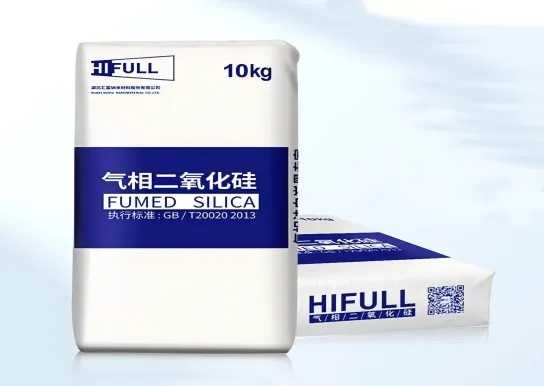
Platinum-based catalyst engineered for high selectivity and consistent reactivity in silicone-based textile printing inks.
Enables rapid, room-temperature or low-heat cure profiles—reducing energy consumption during fabric finishing.
Provides excellent compatibility with Dow SILASTIC LCF base polymers and common ink additives (e.g., rheology modifiers, pigments).
Delivers low extractables and minimal odor—supporting compliance with OEKO-TEX® Standard 100 and other textile safety requirements.
Stable liquid formulation with extended shelf life under recommended storage conditions (unopened, 5–25°C).
Flexible silicone screen-printed graphics on cotton, polyester, and blended apparel fabrics.
Digital textile ink formulations requiring precise platinum-catalyzed hydrosilylation curing.
Embossed and tactile effects in sportswear, activewear, and fashion-forward garment decoration.
High-wash-fastness decorative prints for home textiles including bed linens and upholstery fabrics.
Functional coatings combining print aesthetics with soft hand feel and stretch recovery.
| Chemical Type | Platinum complex in isopropanol solution |
| Product Form | Clear to slightly yellow liquid |
| Appearance | Homogeneous, low-viscosity liquid |
| Primary Applications | Catalyst for addition-cure silicone textile printing inks |
| Key Features | Low-temperature cure capability, pigment compatibility, batch-to-batch consistency |
| Benefits | Improved print definition, enhanced wash durability, reduced VOC emissions vs. peroxide systems |
| Recommended Use Level | 0.5–3.0 phr (parts per hundred resin), depending on base polymer and cure profile |
| Storage Conditions | 5–25°C, protected from moisture and direct sunlight |
Q1: What is the primary function of the Dow SILASTIC LCF 9600 Series catalyst in textile printing inks?
A: It is a platinum-based catalyst designed to accelerate the hydrosilylation reaction between silicone polymers and functional crosslinkers, enabling rapid, low-temperature curing of silicone-based textile inks on fabric substrates.
Q2: Is this catalyst compatible with both waterborne and solventborne silicone ink systems?
A: Yes — the LCF 9600 Series is formulated for broad compatibility across common silicone ink platforms, including water-dispersed, emulsion-based, and solvent-thinned systems used in rotary screen and digital textile printing.
Q3: How should the catalyst be incorporated into an ink formulation?
A: It is typically added during the final mixing stage under mild agitation, after all other components—including silicone base polymer, filler, and rheology modifiers—have been homogenized. Avoid high-shear processing or elevated temperatures prior to addition to preserve catalytic activity.
Q4: Does this catalyst require post-cure heating, or can it cure at ambient conditions?
A: While it enables faster cure kinetics at lower temperatures, optimal film formation and mechanical performance are generally achieved with mild thermal activation (e.g., 100–130 °C for 1–3 minutes), especially for high-opacity or thick-film prints.
Q5: How does the LCF 9600 Series differ from standard platinum catalysts used in general-purpose silicones?
A: It is specifically engineered for textile ink applications — offering enhanced stability in aqueous environments, reduced sensitivity to common ink inhibitors (e.g., certain surfactants and pigments), and improved compatibility with pigment dispersions and fabric softeners often present in finished formulations.
Contact With Us:
E-mail: wangxingqiang@ericwchem.com
Have a Questions? Call Us:
Add:
Building A1, Jiete Industrial Park, Huangpu District, Guangzhou City, Guangdong Province, China