English
 Español
 tiếng việt
 русский
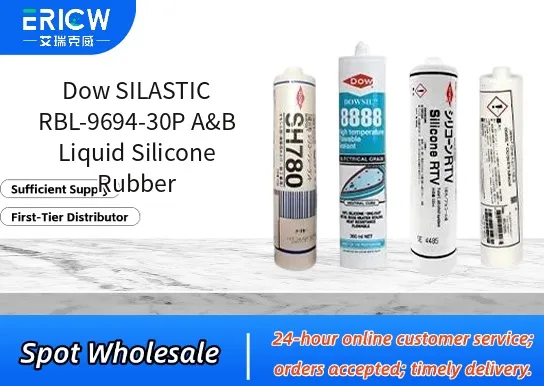
Platinum-catalyzed, two-part addition-cure LSR formulation offering excellent flow and low viscosity for precision molding of complex geometries.
High thermal stability with continuous use temperature up to 175 °C and short-term resistance to 200 °C.
Exceptional biocompatibility profile compliant with ISO 10993-5/-10/-11 and USP Class VI requirements.
Low compression set (<15% after 70 h at 175 °C) ensuring long-term sealing performance in dynamic applications.
Non-yellowing, transparent cured elastomer with outstanding UV and ozone resistance.
Medical devices: disposable respiratory components, drug delivery seals, catheter connectors, and wearable sensor housings.
Healthcare consumables: syringe plungers, IV drip chamber gaskets, and diagnostic cartridge seals.
Food-grade equipment: pump diaphragms, valve seats, and sealing elements for processing lines (FDA 21 CFR 177.2600 compliant).
Consumer electronics: soft-touch overmolds for wearables, waterproof membrane seals, and EMI shielding gaskets.
Automotive under-hood sensors: pressure transducer boots and connector seals requiring high-temperature resilience.
| Chemical Type | Platinum-catalyzed addition-cure liquid silicone rubber (LSR) |
| Product Form | Two-component (A & B), ready-to-mix liquid system (1:1 by weight) |
| Appearance (Uncured) | Component A: translucent viscous liquid; Component B: translucent viscous liquid with catalyst |
| Cure Temperature Range | 110–180 °C (optimized at 150 °C for 3–5 min) |
| Shore A Hardness (Cured) | 30 ± 2 |
| Tensile Strength (Cured) | 6.5–7.5 MPa (ASTM D412) |
| Elongation at Break (Cured) | 550–650% (ASTM D412) |
| Regulatory Compliance | USP Class VI, ISO 10993-5/-10/-11, FDA 21 CFR 177.2600, RoHS 3, REACH SVHC-free |
| Common Compatible Systems | Suitability |
| Dow SILASTIC™ LSR Release Agents (e.g., RBL-9000 series) | Highly Recommended – Designed for low-residue release and minimal interference with cure kinetics |
| Standard stainless steel and aluminum mold tooling (polished Ra ≤ 0.2 µm) | Highly Recommended – No surface treatment required; excellent demoldability |
| Hot-runner systems with platinum-safe manifolds (e.g., Husky Hylectric™, Milacron Varimelt®) | Recommended – Requires precise temperature zoning to avoid premature inhibition |
| Automated dosing & mixing systems (e.g., Hennecke, KraussMaffei Elastomeric) | Recommended – Compatible with standard 1:1 volumetric metering units calibrated for 50–60 cP viscosity range |
Q1: What is the CAS Registry Number for Dow SILASTIC RBL-9694-30P A&B?
A: Component A: 68083-19-2; Component B: 68083-20-5. Full substance identity is disclosed in the Safety Data Sheet (SDS) Section 3.
Q2: Is post-cure required to achieve full biocompatibility and extractables compliance?
A: Yes — a controlled post-cure at 175 °C for 2 hours is mandatory to fully crosslink the network and reduce volatile siloxanes and platinum residues to meet ISO 10993-12 extraction limits.
Q3: How does RBL-9694-30P compare to RBL-9690-30 in terms of flow and inhibition sensitivity?
A: RBL-9694-30P features enhanced inhibition resistance versus nitrogen-containing contaminants (e.g., amine-based adhesives or coatings) and lower initial viscosity (≈55 cP vs. ≈75 cP for RBL-9690-30), enabling finer feature replication without sacrificing green strength.
Q4: Can this material be used in direct contact with pharmaceutical APIs during manufacturing?
A: Yes — when processed per validated protocols (including full post-cure and cleaning per ISO 10993-12), it meets USP <87> and <88> cytotoxicity and systemic toxicity requirements for pharmaceutical contact surfaces.
Contact With Us:
E-mail: wangxingqiang@ericwchem.com
Have a Questions? Call Us:
Add:
Building A1, Jiete Industrial Park, Huangpu District, Guangzhou City, Guangdong Province, China