English
 Español
 tiếng việt
 русский
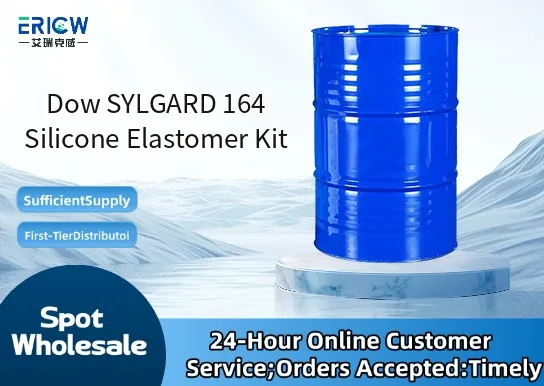
Two-part, platinum-catalyzed silicone elastomer system offering excellent thermal stability and long-term reliability.
Low viscosity before cure enables easy mixing, degassing, and casting into intricate molds or over sensitive components.
Cures at room temperature or accelerated with mild heat to produce a flexible, transparent, and biocompatibility-tested elastomer.
Exceptional dielectric strength and electrical insulation properties across wide temperature and frequency ranges.
Resistant to moisture, ozone, UV radiation, and aging—maintains mechanical integrity in demanding environments.
Encapsulation and potting of electronic assemblies, including sensors, LEDs, and hybrid circuits.
Prototyping and low-volume production of soft-touch medical device components and diagnostic housings.
Optical bonding and light-diffusing layers in display and lighting modules.
Microfluidic device fabrication and lab-on-a-chip elastomeric structures.
Thermal interface materials and conformal coatings for power electronics and automotive control units.
| Chemical Type | Platinum-catalyzed addition-cure silicone elastomer |
| Product Form | Two-component liquid kit (Part A: base; Part B: catalyst) |
| Appearance | Clear, low-viscosity liquids (Part A and Part B) |
| Mix Ratio by Weight | 10:1 (Part A : Part B) |
| Cure Conditions | 24 hours at 25°C or 30 minutes at 100°C |
| Shore A Hardness (Cured) | 40–45 |
| Density (Cured) | 1.10–1.13 g/cm³ |
| Dielectric Strength | ≥ 450 V/mil (17.7 kV/mm) |
Q1: What is the typical mixing ratio of Part A to Part B?
A: Dow SYLGARD 164 is supplied as a two-part addition-cure silicone elastomer system with a 10:1 weight ratio of base (Part A) to catalyst (Part B). Accurate weighing and thorough mixing are essential to ensure complete cure and optimal mechanical performance.
Q2: How long does it take for SYLGARD 164 to fully cure under standard conditions?
A: Full cure typically occurs within 24 hours at room temperature (23 °C), though post-curing at elevated temperatures (e.g., 60–80 °C for 2–4 hours) can accelerate crosslinking and improve thermal stability and mechanical properties. Cure time may vary depending on part thickness, ambient humidity, and substrate interaction.
Q3: Is SYLGARD 164 suitable for high-voltage or electronic encapsulation applications?
A: Yes — SYLGARD 164 is widely used in electronics for potting, encapsulation, and conformal coating due to its excellent dielectric strength, low dielectric constant, and stable electrical properties over a broad temperature range. Its low ionic content and resistance to moisture absorption further support reliable performance in demanding electrical environments.
Q4: Can SYLGARD 164 be applied over other substrates such as plastics, metals, or cured epoxies?
A: SYLGARD 164 generally adheres well to many clean, dry substrates including metals, glass, and certain thermoset plastics. Surface preparation — such as solvent cleaning or plasma treatment — is recommended to enhance adhesion. Bonding to low-surface-energy plastics (e.g., polyethylene or polypropylene) may require primers or surface modification.
Contact With Us:
E-mail: wangxingqiang@ericwchem.com
Have a Questions? Call Us:
Add:
Building A1, Jiete Industrial Park, Huangpu District, Guangzhou City, Guangdong Province, China