English
 Español
 tiếng việt
 русский
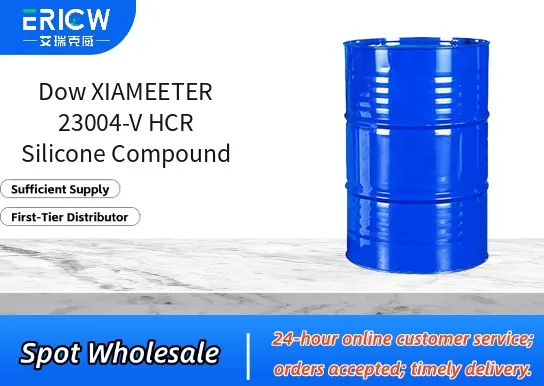
High consistency rubber (HCR) formulation offering excellent processability in compression and injection molding.
Outstanding thermal stability with continuous service capability from –60 °C to +200 °C.
UL 94 V-0 rated for flame retardancy, meeting stringent safety requirements in electronic and transportation applications.
Low compression set (<15% at 175 °C/72 h), ensuring long-term sealing performance and resilience.
Excellent electrical insulation properties with volume resistivity >1 × 10¹⁴ Ω·cm.
Automotive under-hood components including sensor housings and gaskets.
Medical device seals and tubing requiring ISO 10993 biocompatibility compliance.
Consumer electronics enclosures and protective overmolds for wearables and IoT devices.
Industrial fluid handling systems such as diaphragms and pump valves.
LED lighting modules requiring high thermal resistance and optical clarity retention.
| Chemical Type | Platinum-cured high-consistency silicone rubber (HCR) |
| Product Form | Two-part compound (Part A: base; Part B: platinum catalyst) |
| Appearance | Opaque, uniform colored rubber sheet or pellet (color options available) |
| Shore A Hardness (ASTM D2240) | 40 ± 3 |
| Tensile Strength (ASTM D412) | 8.0 MPa minimum |
| Elongation at Break (ASTM D412) | 450% minimum |
| Primary Applications | Sealing, gasketing, overmolding, and precision molded parts |
| Key Features | Flame retardant, low compression set, thermal aging resistant |
Q1: What is the primary function of Dow XIAMEETER 23004-V in silicone rubber formulations?
A: Dow XIAMEETER 23004-V is a high-consistency rubber (HCR) silicone compound designed as a base polymer for heat-cured elastomer systems. It provides excellent processability during mixing and shaping, and delivers balanced mechanical properties—including tensile strength, elongation, and compression set resistance—after vulcanization.
Q2: Is this compound suitable for medical or food-contact applications?
A: Dow XIAMEETER 23004-V is formulated to support regulatory compliance pathways for demanding applications. While the base compound itself is not pre-certified, it is commonly used in formulations intended for ISO 10993-compliant medical devices or FDA-regulated food-contact articles—subject to final formulation validation, appropriate curing, and end-product testing by the manufacturer.
Q3: How should this HCR be processed in standard rubber manufacturing equipment?
A: The compound is compatible with conventional HCR processing methods including two-roll mill mixing, extrusion, and compression or transfer molding. It exhibits good green strength and dimensional stability prior to curing, enabling efficient handling and minimal die swell during extrusion.
Q4: What type of cure system is recommended for optimal performance?
A: Dow XIAMEETER 23004-V is typically cured using peroxide-based systems, which provide consistent crosslinking and thermal stability. Platinum-catalyzed addition-cure systems may also be employed depending on formulation goals, though compatibility and inhibition effects must be evaluated during development.
Contact With Us:
E-mail: wangxingqiang@ericwchem.com
Have a Questions? Call Us:
Add:
Building A1, Jiete Industrial Park, Huangpu District, Guangzhou City, Guangdong Province, China