English
 Español
 tiếng việt
 русский
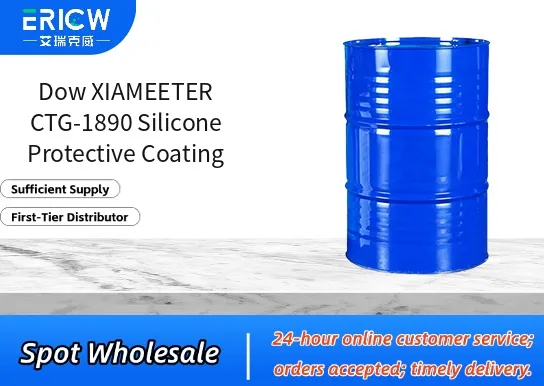
High-performance silicone-based formulation offering exceptional resistance to UV radiation, thermal cycling, and environmental aging.
Excellent hydrophobicity and self-cleaning properties that reduce surface contamination and maintain long-term appearance.
Flexible, non-yellowing film formation ensures durable protection without cracking or peeling on dynamic substrates.
Low-VOC, solvent-borne system compliant with major industrial emission regulations for sustainable application.
Easy application via spray, brush, or roller — compatible with common industrial coating equipment and curing at ambient conditions.
Protective topcoat for architectural precast concrete façades and cladding panels.
Surface treatment for fiber-reinforced polymer (FRP) composites in transportation and infrastructure.
Weather-resistant barrier for coated metal roofing and solar panel mounting structures.
Functional coating for exterior signage, decorative concrete, and cultural heritage restoration projects.
Protection layer for high-value outdoor electronic enclosures and sensor housings exposed to harsh climates.
| Chemical Type | Alkyl-modified silicone resin |
| Product Form | Liquid, ready-to-use solvent-borne coating |
| Appearance | Clear to slightly hazy, low-viscosity liquid |
| Primary Applications | Exterior protective topcoat for mineral and composite substrates |
| Key Features | UV-stable, hydrophobic, flexible, non-yellowing, ambient-cure |
| Benefits | Extended service life, reduced maintenance frequency, improved aesthetic retention |
| VOC Content | ≤ 350 g/L (as supplied) |
| Recommended Film Thickness (Dry) | 20–40 μm per coat |
Q1: What substrates is CTG-1890 compatible with?
A: CTG-1890 is formulated to provide effective silicone-based protection on a broad range of non-porous and semi-porous surfaces, including glass, coated metals, ceramics, and certain engineered plastics. Adhesion and performance may vary depending on surface cleanliness and pretreatment—light abrasion or solvent cleaning is often recommended prior to application.
Q2: How is CTG-1890 typically applied?
A: CTG-1890 can be applied via conventional industrial methods including spray coating, dip coating, roll coating, or curtain coating. For optimal film uniformity and surface coverage, it is generally applied as a diluted solution in compatible organic solvents (e.g., isopropanol, xylene, or acetate esters), followed by controlled thermal curing at moderate temperatures.
Q3: Does CTG-1890 offer resistance to UV exposure and weathering?
A: Yes—CTG-1890 leverages the inherent stability of silicone chemistry to deliver excellent resistance to UV radiation, oxidation, and environmental aging. It helps maintain substrate appearance and functional integrity under prolonged outdoor exposure, making it suitable for applications where long-term durability is critical.
Q4: Can CTG-1890 be overcoated with paints or topcoats?
A: CTG-1890 is designed to serve either as a standalone protective layer or as a primer/base coat. When used as a primer, it generally supports overcoating with acrylic, polyurethane, and epoxy-based topcoats—provided full cure has been achieved and the overcoat system is chemically compatible. Compatibility testing under end-use conditions is strongly advised.
Contact With Us:
E-mail: wangxingqiang@ericwchem.com
Have a Questions? Call Us:
Add:
Building A1, Jiete Industrial Park, Huangpu District, Guangzhou City, Guangdong Province, China