English
 Español
 tiếng việt
 русский
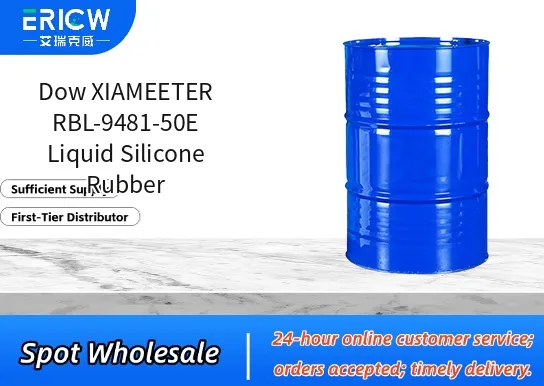
Platinum-cured, two-part LSR system offering excellent thermal stability and long-term compression set resistance.
Optimized rheology for high-speed injection molding with low viscosity A-side and fast, controllable cure kinetics.
Meets ISO 10993-5/10 biocompatibility requirements for short-term skin contact applications.
Low extractables and high purity profile suitable for sensitive medical and consumer-facing components.
Consistent batch-to-batch performance with tight QC control on Shore A hardness and elongation.
Medical device components including respiratory masks, gaskets, and wearable sensor housings.
Consumer electronics seals and soft-touch overmolded buttons for wearables and portable devices.
Food-grade kitchenware parts such as collapsible containers, baking mats, and sealing grommets.
Automotive interior trim elements requiring tactile comfort, UV resistance, and low VOC emission.
Personal care applicators including silicone brush heads, facial rollers, and cosmetic tool grips.
| Chemical Type | Platinum-cured liquid silicone rubber (LSR) |
| Product Form | Two-part system: A-side (base) + B-side (catalyst), supplied separately |
| Appearance | A-side: translucent, viscous liquid; B-side: translucent, low-viscosity liquid |
| Shore A Hardness (Cured, 72 hrs @ 25°C) | 50 ± 3 |
| Elongation at Break (Cured, ASTM D412) | ≥ 550 % |
| Tensile Strength (Cured, ASTM D412) | ≥ 6.0 MPa |
| Key Features | Fast cure profile, low compression set, biocompatibility-ready, low volatility |
| Primary Applications | Medical devices, consumer electronics, food contact, automotive interiors, personal care |
Q1: What is the typical cure profile for RBL-9481-50E?
A: RBL-9481-50E is a platinum-catalyzed LSR designed for fast, efficient curing at elevated temperatures. It typically achieves full crosslinking within minutes at mold temperatures between 120–180 °C, with cycle times adjustable based on part geometry and thermal mass.
Q2: Is RBL-9481-50E suitable for medical or food-contact applications?
A: RBL-9481-50E is formulated to meet common regulatory expectations for biocompatibility and extractables control in healthcare and food-grade silicone elastomers. Final compliance depends on full system validation—including processing conditions, post-cure protocols, and finished part testing—per applicable regional requirements.
Q3: How does RBL-9481-50E compare to standard high-consistency rubber (HCR) in processing?
A: Unlike HCR, RBL-9481-50E is a two-part, low-viscosity liquid system compatible with automated meter-mix-dispense and injection molding equipment. This enables high-precision, repeatable molding of complex geometries with minimal flash and reduced post-processing effort.
Q4: Can RBL-9481-50E be overmolded onto thermoplastics or other substrates?
A: Yes—RBL-9481-50E demonstrates good adhesion to many engineered thermoplastics (e.g., PBT, PC, PA) when appropriate surface preparation, mold design, and process parameters are applied. Adhesion performance should be verified empirically for each specific substrate and assembly configuration.
Contact With Us:
E-mail: wangxingqiang@ericwchem.com
Have a Questions? Call Us:
Add:
Building A1, Jiete Industrial Park, Huangpu District, Guangzhou City, Guangdong Province, China