English
 Español
 tiếng việt
 русский
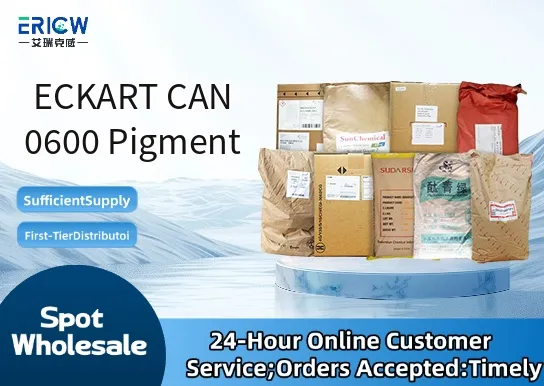
Highly reflective aluminum flake pigment with excellent brightness and metallic effect.
Optimized particle size distribution for superior orientation and smooth film formation.
Surface-treated for enhanced compatibility with solvent-based and high-solids coating systems.
Excellent chemical resistance, including stability in aliphatic and aromatic solvents.
Low dust generation and improved handling safety compared to conventional aluminum pigments.
Automotive OEM and refinish coatings requiring high-gloss metallic appearance.
Industrial maintenance paints for machinery, agricultural equipment, and metal structures.
Plastic color concentrates for injection-molded automotive trim and consumer electronics housings.
Architectural coil coatings demanding weather resistance and consistent metallic sheen.
Specialty printing inks for premium packaging and decorative foil laminates.
| Chemical Type | Aluminum (Al) flake pigment |
| Product Form | Wet paste in mineral spirits |
| Appearance | Grayish-silver paste with metallic luster |
| Primary Applications | Coatings, inks, and plastics |
| Key Features | Bright metallic effect, good orientation, solvent-stable |
| Benefits | Enhanced visual impact, reduced settling, improved batch-to-batch consistency |
| Storage Conditions | Store in tightly closed containers at 15–25°C, avoid freezing |
| Shelf Life | 12 months from date of manufacture under recommended conditions |
Q1: What is the primary function of ECKART CAN 0600 Pigment in coating systems?
A: ECKART CAN 0600 is a high-performance aluminum effect pigment designed to deliver bright, metallic luster and excellent orientation in solvent-based and radiation-curable coil and can coatings. Its optimized particle morphology enhances reflectivity, gloss, and weather resistance while maintaining good flow and leveling behavior.
Q2: Is ECKART CAN 0600 suitable for water-based formulations?
A: While primarily developed for solvent-borne and UV-curable systems, CAN 0600 can be incorporated into water-based coatings with appropriate stabilization and dispersion protocols. However, performance—particularly metallic effect and storage stability—may vary, and compatibility testing under application-specific conditions is strongly recommended.
Q3: How should ECKART CAN 0600 be dispersed to achieve optimal metallic effect?
A: Optimal dispersion requires low-shear mixing to preserve flake integrity and avoid damaging the aluminum surface. Recommended methods include dissolver-type agitation or gentle stir-in followed by brief homogenization. Avoid high-speed media mills or ultrasonication, as these may degrade the pigment’s aspect ratio and reduce brightness.
Q4: Does ECKART CAN 0600 require surface treatment for corrosion protection in metal packaging applications?
A: Yes, CAN 0600 features a proprietary organic surface treatment that provides enhanced passivation against acid-induced corrosion—critical for food and beverage can linings. This treatment improves compatibility with common resin systems and contributes to long-term color stability under humid or elevated-temperature conditions.
Q5: What are typical dosage ranges for ECKART CAN 0600 in industrial coil and can coatings?
A: Dosage depends on formulation requirements and desired visual effect, but it is typically used at low concentrations—generally ranging from 0.1% to 2% by weight relative to total solids—to achieve strong metallic appearance without compromising film integrity or processability.
Contact With Us:
E-mail: wangxingqiang@ericwchem.com
Have a Questions? Call Us:
Add:
Building A1, Jiete Industrial Park, Huangpu District, Guangzhou City, Guangdong Province, China