English
 Español
 tiếng việt
 русский
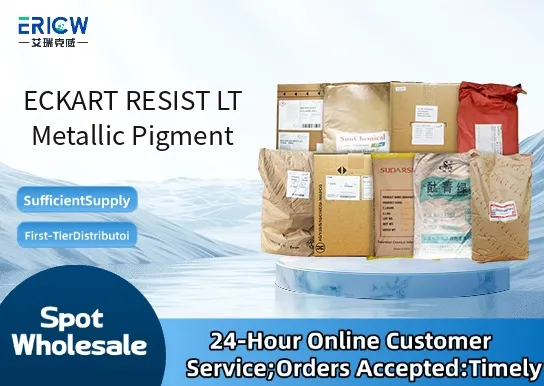
Exceptional resistance to acidic and alkaline environments, enabling stable performance in aggressive chemical formulations.
Low-temperature curing compatibility—retains metallic luster and integrity even in heat-sensitive coating systems.
Optimized particle morphology for high orientation, delivering brilliant metallic effect and uniform surface appearance.
Non-leafing aluminum-based pigment with excellent dispersion stability in solventborne and waterborne systems.
Compliant with REACH and RoHS directives, supporting sustainable and regulatory-compliant industrial applications.
Automotive refinish coatings requiring acid/alkali resistance and low-bake durability.
Industrial maintenance paints for chemical plant infrastructure and storage tanks.
Plastic coatings for exterior automotive trim and durable consumer electronics housings.
Architectural metal-effect coatings on aluminum composite panels (ACM) and façade systems.
Specialty coil coatings where corrosion resistance and low-cure processing are critical.
| Chemical Type | Aluminum flake pigment, passivated surface |
| Product Form | Free-flowing powder |
| Appearance | Shiny silver-gray metallic powder |
| Primary Applications | High-performance industrial and automotive coatings |
| Key Features | Acid/alkali resistant, low-temperature compatible, non-leafing |
| Recommended Dispersants | Standard polymeric dispersants for metallic pigments |
| Storage Conditions | Store in dry, cool conditions below 30°C; protect from moisture and direct sunlight |
| Regulatory Compliance | REACH registered, RoHS compliant, no SVHC above threshold |
Q1: What is the primary functional advantage of ECKART RESIST LT compared to standard aluminum pigments?
A: ECKART RESIST LT is specially engineered for enhanced chemical resistance—particularly against acidic and alkaline media—making it suitable for demanding coating systems where conventional aluminum pigments may degrade or lose luster over time.
Q2: Is ECKART RESIST LT compatible with water-based coatings?
A: Yes, RESIST LT is formulated for compatibility with both solvent-borne and water-based systems, including acrylic, polyurethane, and epoxy dispersions—though optimal dispersion requires appropriate wetting agents and controlled pH conditions.
Q3: How does RESIST LT perform under elevated temperature exposure during curing or service?
A: The pigment maintains structural integrity and metallic appearance at typical industrial cure temperatures up to 200 °C; prolonged exposure above this range may affect surface oxide stability and should be evaluated in context of the full formulation.
Q4: What is the recommended dosage range for achieving optimal metallic effect without compromising film properties?
A: Dosage depends on formulation requirements and desired visual effect, but it is typically used at low concentrations—generally ranging from 0.1% to 2% by weight relative to total solids—to balance reflectivity, hiding power, and rheological behavior.
Q5: Can RESIST LT be used in direct food-contact coatings?
A: While RESIST LT is designed for high-purity applications and complies with general good manufacturing practices, its suitability for food-contact use must be confirmed case-by-case based on the final coating formulation, regulatory jurisdiction, and intended migration scenario.
Contact With Us:
E-mail: wangxingqiang@ericwchem.com
Have a Questions? Call Us:
Add:
Building A1, Jiete Industrial Park, Huangpu District, Guangzhou City, Guangdong Province, China