English
 Español
 tiếng việt
 русский
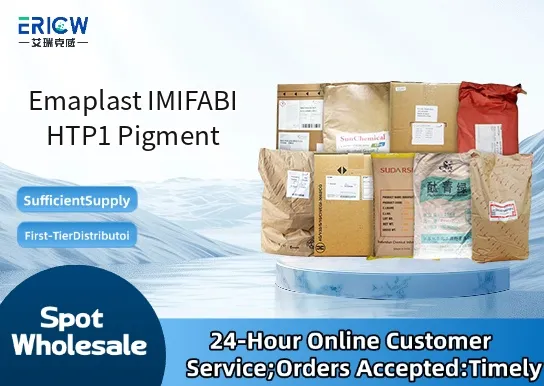
High thermal stability up to 280 °C for demanding processing conditions.
Excellent dispersion performance in polyolefin and engineering thermoplastic matrices.
Low migration tendency, ensuring long-term color consistency and surface integrity.
Halogen-free formulation compliant with RoHS and REACH regulatory requirements.
Optimized particle size distribution for enhanced opacity and uniform pigment distribution.
Automotive interior components (dashboards, door trims, air vents).
Household appliance housings (microwave ovens, washing machines, vacuum cleaners).
Packaging for food-contact-grade rigid containers and caps.
Technical injection-molded parts requiring UV resistance and dimensional stability.
Exterior automotive trim requiring weathering resistance and gloss retention.
| Chemical Type | Organic pigment masterbatch based on high-performance benzimidazolone derivative |
| Product Form | Free-flowing granules |
| Appearance | Uniform dark red-brown granules |
| Carrier Resin | Custom-compatible polypropylene (PP) or polyethylene (PE) |
| Typical Pigment Concentration | 15–25 wt% (customizable per application) |
| Density | 0.92–0.96 g/cm³ (at 23 °C) |
| Melt Flow Rate (MFR) | 20–40 g/10 min (230 °C/2.16 kg) |
| Key Features | Thermal stability, low extractables, excellent batch-to-batch reproducibility |
Q1: What is the primary application field for Emaplast IMIFABI HTP1 Pigment?
A: Emaplast IMIFABI HTP1 Pigment is specifically developed for high-temperature thermoplastic elastomer (TPE) and thermoplastic polyurethane (TPU) applications, including technical components requiring thermal stability, consistent coloration, and good dispersion in demanding processing environments.
Q2: Is this pigment suitable for food-contact or medical-grade polymer formulations?
A: Emaplast IMIFABI HTP1 Pigment is designed for industrial and technical applications. While it exhibits good thermal and chemical resistance, formal compliance with food-contact or medical device regulations requires evaluation within the final compound and end-use conditions—users must conduct full regulatory verification per applicable jurisdiction and intended application.
Q3: How should Emaplast IMIFABI HTP1 Pigment be incorporated into polymer melts?
A: It is typically introduced via masterbatch dilution or direct addition during compounding. For optimal dispersion and color consistency, pre-drying of the pigment is recommended when moisture sensitivity is a concern, and processing temperatures should remain within the stable range of the host polymer to avoid thermal degradation.
Q4: Does this pigment offer resistance to UV exposure and weathering?
A: Emaplast IMIFABI HTP1 Pigment demonstrates improved lightfastness compared to conventional organic pigments, particularly under elevated temperature conditions. However, long-term UV and weathering performance depends on the polymer matrix, presence of stabilizers, and service environment—supplementary UV stabilizers are recommended for outdoor or extended-exposure applications.
Q5: What is the typical dosage range for achieving full opacity or intense coloration?
A: Dosage depends on the base polymer, desired shade intensity, and required opacity. In most TPE and TPU systems, effective loading generally ranges from 0.1% to 2% by weight—lower concentrations often suffice for pastel tones, while higher levels may be needed for deep, opaque colors or challenging substrates.
Contact With Us:
E-mail: wangxingqiang@ericwchem.com
Have a Questions? Call Us:
Add:
Building A1, Jiete Industrial Park, Huangpu District, Guangzhou City, Guangdong Province, China