English
 Español
 tiếng việt
 русский
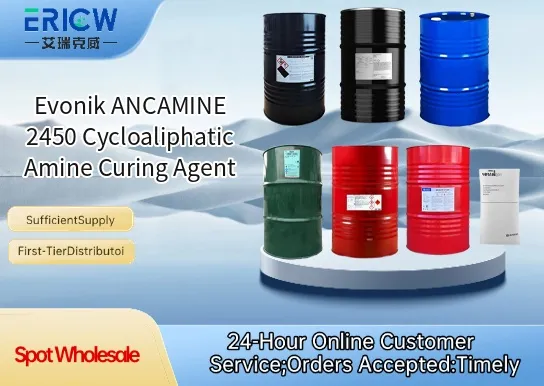
Low viscosity for excellent mixing and processing with epoxy resins
Fast ambient-cure kinetics without requiring elevated temperatures
Superior UV and weather resistance due to cycloaliphatic structure
Low color and high clarity, enabling transparent and aesthetic coatings
Reduced volatility and amine odor compared to aliphatic amines
High-performance clear coatings for concrete floors and architectural surfaces
UV-stable epoxy adhesives for optical and electronic bonding
Electrical encapsulation and potting compounds requiring low dielectric loss
Marine and industrial maintenance coatings exposed to harsh environments
Artistic and decorative epoxy resin casting applications
| Chemical Type | Cycloaliphatic amine |
| Product Form | Liquid |
| Appearance | Colorless to pale yellow, clear liquid |
| Density (20 °C) | ~0.92–0.94 g/cm³ |
| Viscosity (25 °C) | ~80–120 mPa·s |
| Amine Value | ~420–460 mg KOH/g |
| Primary Applications | Epoxy coatings, adhesives, encapsulants, castings |
| Key Features | Fast ambient cure, low color, UV stability, low volatility |
Q1: What are the key handling and safety considerations for ANCAMINE 2450?
A: ANCAMINE 2450 is a cycloaliphatic amine with moderate reactivity and low volatility. It should be handled in well-ventilated areas, and appropriate personal protective equipment—including chemical-resistant gloves and eye protection—is recommended. As with all amine curing agents, skin contact should be avoided due to potential sensitization risk.
Q2: How does ANCAMINE 2450 compare to aromatic amines in terms of yellowing and UV stability?
A: Unlike aromatic amines, ANCAMINE 2450 is a cycloaliphatic amine and therefore exhibits significantly improved resistance to yellowing and photodegradation. This makes it suitable for applications where long-term color stability and outdoor exposure are critical, such as high-performance coatings and clear epoxy systems.
Q3: What types of epoxy resins is ANCAMINE 2450 typically compatible with?
A: ANCAMINE 2450 demonstrates good compatibility with standard liquid and solid bisphenol-A and bisphenol-F epoxy resins, as well as many novolac and cycloaliphatic epoxies. Its performance may vary depending on resin functionality and molecular weight, so formulation optimization is recommended for specific end-use requirements.
Q4: Is ANCAMINE 2450 suitable for low-temperature cure applications?
A: Yes—ANCAMINE 2450 offers appreciable reactivity at ambient to moderately elevated temperatures, enabling practical cure profiles without forced heating in many formulations. However, full property development (e.g., chemical resistance, hardness) may benefit from a mild post-cure step depending on film thickness and application conditions.
Q5: Can ANCAMINE 2450 be used in food-contact or potable water applications?
A: ANCAMINE 2450 is not pre-qualified for direct food-contact or potable water applications under major regulatory frameworks. Customers intending such use must conduct full compliance testing and validation according to applicable local regulations and intended service conditions.
Contact With Us:
E-mail: wangxingqiang@ericwchem.com
Have a Questions? Call Us:
Add:
Building A1, Jiete Industrial Park, Huangpu District, Guangzhou City, Guangdong Province, China