English
 Español
 tiếng việt
 русский
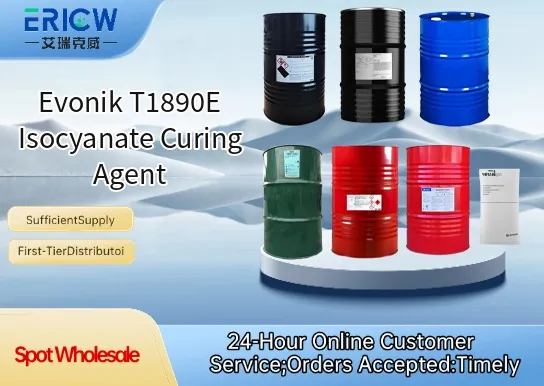
Low-viscosity aliphatic polyisocyanate offering excellent compatibility with hydroxyl-functional resins.
Non-yellowing performance due to aliphatic backbone, ideal for high-gloss and color-stable coatings.
Fast ambient-cure capability without requiring elevated temperatures or catalysts.
Good chemical resistance and mechanical durability in final cured films.
Compliant with REACH and meets VOC-reduction requirements for modern industrial coating systems.
Automotive OEM and refinish clearcoats and basecoats.
Industrial maintenance coatings for metal and plastic substrates.
High-performance wood coatings requiring clarity and scratch resistance.
Plastic coatings for electronics housings and automotive interior parts.
Two-component polyurethane adhesives and sealants demanding flexibility and weatherability.
| Chemical Type | Aliphatic polyisocyanate (hexamethylene diisocyanate-based) |
| Product Form | Liquid |
| Appearance | Colorless to pale yellow transparent liquid |
| NCO Content (wt %) | 15.8–16.4% |
| Viscosity at 25°C (mPa·s) | 800–1,200 |
| Density at 20°C (g/cm³) | 1.13–1.16 |
| Flash Point (PMCC, °C) | 145–155 |
| Storage Stability | Stable for ≥12 months at <25°C under dry, inert conditions |
Q1: What is the primary chemical nature of T1890E?
A: T1890E is a low-viscosity, aliphatic polyisocyanate curing agent based on hexamethylene diisocyanate (HDI) trimer chemistry, designed for ambient- or heat-cured two-component polyurethane systems.
Q2: Which types of resins is T1890E typically compatible with?
A: T1890E is formulated to react efficiently with hydroxyl-functional resins, including polyester polyols, acrylic polyols, and polyether polyols—commonly used in high-performance coatings for automotive, industrial, and protective applications.
Q3: How does T1890E contribute to final coating performance?
A: It delivers excellent weather resistance, gloss retention, and mechanical durability due to its aliphatic structure, while enabling good pot life and film formation at ambient or moderately elevated temperatures.
Q4: What are key handling and storage considerations for T1890E?
A: Store in tightly sealed containers under dry, cool conditions, protected from moisture and direct sunlight. Avoid exposure to humidity during handling, as isocyanates react readily with water—use appropriate personal protective equipment and ensure adequate ventilation.
Q5: Can T1890E be used in low-VOC or high-solids formulations?
A: Yes—its low viscosity and high functionality allow formulators to achieve high solids content with reduced solvent demand, supporting compliance with evolving VOC regulations without compromising reactivity or film properties.
Contact With Us:
E-mail: wangxingqiang@ericwchem.com
Have a Questions? Call Us:
Add:
Building A1, Jiete Industrial Park, Huangpu District, Guangzhou City, Guangdong Province, China