English
 Español
 tiếng việt
 русский
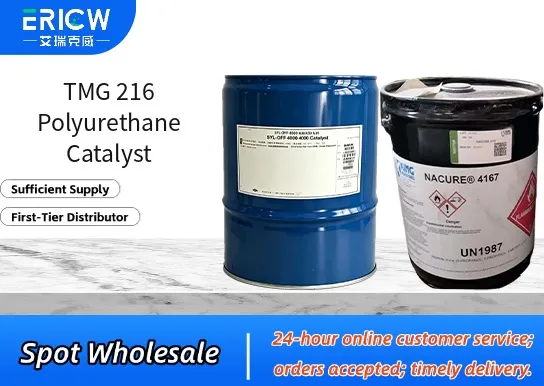
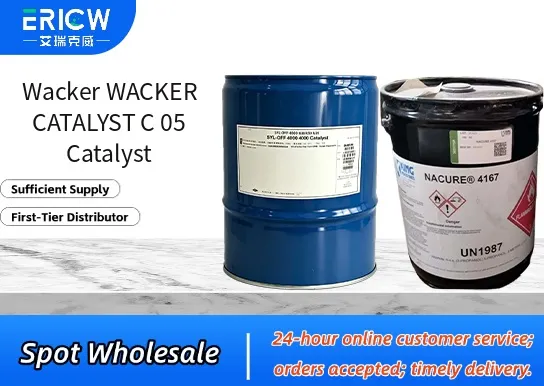
Highly efficient tertiary amine catalyst specifically designed for polyurethane rigid foam systems.
Offers excellent balance of reactivity and flow control during foam rise and gelation.
Low volatility and minimal odor profile, supporting improved workplace safety and handling.
Compatible with a broad range of polyols, isocyanates, and blowing agents including water and physical foaming agents.
Stable performance across varying processing temperatures and formulation pH levels.
Rigid polyurethane insulation foams for building & construction panels and spray applications.
Refrigeration and cold-chain insulation in commercial refrigerators and transport containers.
Industrial pipe insulation and tank insulation requiring dimensional stability and low thermal conductivity.
Automotive structural foam components requiring controlled cell structure and mechanical integrity.
One-component (1K) moisture-curing PU sealants and adhesives where delayed onset of catalysis is beneficial.
| Chemical Type | Tertiary amine catalyst |
| Product Form | Liquid |
| Appearance | Clear, pale yellow liquid |
| Primary Applications | Rigid PU foam, insulation systems, spray foam |
| Key Features | Delayed-action gelling, balanced reactivity, low volatility |
| Benefits | Improved foam flow, reduced shrinkage, enhanced dimensional stability |
| Storage Conditions | Store in original container at 5–30 °C, protect from moisture and direct sunlight |
| Regulatory Status | REACH registered; not classified as hazardous under CLP Regulation (EU) |
Q1: What is the primary function of TEGOAMIN BDE in polyurethane systems?
A: TEGOAMIN BDE is a highly efficient, low-odor tertiary amine catalyst specifically designed to promote the urethane reaction (isocyanate–polyol coupling) while offering balanced reactivity and processing control in flexible and rigid PU foams, coatings, and adhesives.
Q2: How does TEGOAMIN BDE compare to traditional amine catalysts in terms of odor and volatility?
A: Compared to many conventional aliphatic amine catalysts, TEGOAMIN BDE exhibits significantly reduced volatility and lower inherent odor, making it suitable for applications where worker safety, indoor air quality, and end-product emission profiles are critical considerations.
Q3: Is TEGOAMIN BDE compatible with moisture-cure or one-component PU systems?
A: Yes — TEGOAMIN BDE is effective in one-component moisture-curing PU formulations, where it helps accelerate the reaction between isocyanate groups and ambient moisture without inducing premature gelation or compromising pot life under controlled conditions.
Q4: What is the typical dosage range for TEGOAMIN BDE in standard PU foam formulations?
A: Dosage depends on formulation requirements and desired processing window, but it is typically used at low concentrations — generally ranging from 0.1% to 2% by weight relative to the polyol component — and is often employed in combination with other catalysts for fine-tuned reactivity profiling.
Contact With Us:
E-mail: wangxingqiang@ericwchem.com
Have a Questions? Call Us:
Add:
Building A1, Jiete Industrial Park, Huangpu District, Guangzhou City, Guangdong Province, China