English
 Español
 tiếng việt
 русский
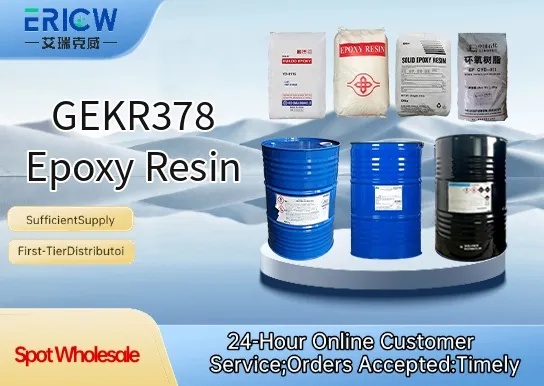
High reactivity with standard amine and anhydride hardeners for rapid cure at ambient or elevated temperatures.
Excellent adhesion to metals, composites, and treated plastics without primer requirement.
Low viscosity (12,000–15,000 cP at 25°C) enabling easy processing via casting, impregnation, and filament winding.
Superior electrical insulation properties with high dielectric strength (>18 kV/mm) and volume resistivity (>1 × 10¹⁴ Ω·cm).
Good thermal stability with glass transition temperature (Tg) of 125–135°C after full cure with DDS.
Electrical encapsulation and potting of transformers, inductors, and high-voltage sensors.
Structural adhesive formulation for aerospace composite bonding and metal-to-composite joints.
Matrix resin for carbon fiber and glass fiber reinforced laminates in wind turbine blades and automotive components.
Insulating coatings and busbar encapsulants in power electronics and EV battery modules.
Tooling and mold-making resins for low-volume production of precision composite parts.
| Chemical Type | Bisphenol-F based diglycidyl ether epoxy resin |
| Product Form | Clear to pale yellow viscous liquid |
| Appearance | Homogeneous, transparent, free from gels and particulates |
| Epoxy Equivalent Weight (EEW) | 172–178 g/eq |
| Viscosity (25°C) | 12,000–15,000 cP |
| Color (Gardner) | ≤3 |
| Volatile Content (wt%) | <0.3% |
| Primary Applications | Encapsulation, structural composites, electrical insulation, high-performance adhesives |
Q1: What is the primary function of GEKR378 Epoxy Resin in coating and adhesive formulations?
A: GEKR378 is a reactive epoxy resin modifier designed to enhance crosslink density, improve chemical resistance, and increase thermal stability in thermosetting systems—particularly where high-performance film integrity and long-term durability are required.
Q2: Is GEKR378 compatible with standard amine or anhydride curing agents?
A: Yes, GEKR378 exhibits broad compatibility with conventional epoxy hardeners, including aliphatic and aromatic amines as well as cyclic anhydrides. Its reactivity profile allows for flexible cure schedule design without requiring specialized catalysts.
Q3: How does GEKR378 differ from standard bisphenol-A epoxy resins in terms of molecular structure and performance?
A: GEKR378 features a modified backbone architecture that provides higher functionality per molecule and reduced volatility compared to conventional DGEBA resins. This contributes to lower shrinkage upon cure and improved adhesion to challenging substrates such as metals and composites.
Q4: Can GEKR378 be used in UV-curable epoxy-acrylate hybrid systems?
A: While GEKR378 itself is not UV-reactive, it can be effectively incorporated into hybrid formulations containing cationic photoinitiators or co-monomers that enable dual-cure (UV + thermal) mechanisms—provided compatibility and viscosity targets are verified during formulation development.
Q5: What handling precautions should be observed when processing GEKR378?
A: As with most epoxy resins, standard industrial hygiene practices apply: use appropriate PPE (gloves, eye protection, ventilation), avoid prolonged skin contact, and refer to the Safety Data Sheet for detailed toxicological and first-aid information. GEKR378 is not classified as highly sensitizing but should be handled with care in unventilated environments.
Contact With Us:
E-mail: wangxingqiang@ericwchem.com
Have a Questions? Call Us:
Add:
Building A1, Jiete Industrial Park, Huangpu District, Guangzhou City, Guangdong Province, China