English
 Español
 tiếng việt
 русский
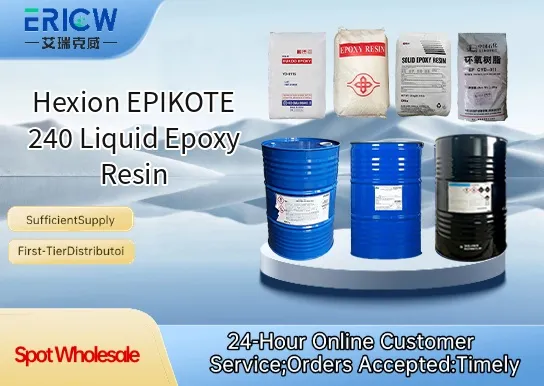
Low-viscosity liquid epoxy resin enabling excellent flow, wetting, and ease of processing in ambient or elevated temperature cure systems.
High purity with consistent epoxide equivalent weight (EEW) for reliable reactivity and predictable crosslink density.
Excellent chemical resistance post-cure, particularly to alkalis, solvents, and mild acids.
Good adhesion to metals, composites, and concrete substrates without mandatory surface priming.
Compatible with a broad range of amine, anhydride, and catalytic hardeners for formulation flexibility.
Structural adhesives for aerospace and automotive bonding applications.
Matrix resin in fiber-reinforced polymer (FRP) composites for wind turbine blades and marine laminates.
High-performance coating binders for industrial maintenance and protective linings.
Electrical encapsulants and potting compounds requiring low shrinkage and dielectric stability.
Repair mortars and grouts for civil infrastructure rehabilitation.
| Chemical Type | Bisphenol-A based diglycidyl ether epoxy resin |
| Product Form | Clear to pale yellow low-viscosity liquid |
| Appearance | Transparent, slightly viscous liquid at 25°C |
| Epoxide Equivalent Weight (EEW) | 185–192 g/eq |
| Viscosity at 25°C | 12,000–16,000 cP |
| Color (Gardner) | ≤3 |
| Primary Applications | Adhesives, composites, coatings, encapsulants, repair systems |
| Key Features | Low viscosity, high reactivity, excellent adhesion, chemical resistance |
Q1: What is the primary chemical structure and functionality of EPIKOTE 240?
A: EPIKOTE 240 is a low-viscosity, bisphenol-A based liquid epoxy resin with an average epoxide equivalent weight (EEW) in the range typical for standard DGEBA resins. It contains two reactive epoxide groups per molecule and is designed for use as a reactive binder or matrix component in thermosetting systems.
Q2: How does EPIKOTE 240 compare to solid epoxy resins like EPIKOTE 1001 or 1004 in terms of processing?
A: Unlike solid bisphenol-A epoxy resins, EPIKOTE 240 is supplied as a clear, low-viscosity liquid at room temperature, eliminating the need for pre-melting or high-temperature handling. This enables easier metering, mixing, and incorporation into formulations—especially in ambient-cure coatings, adhesives, and composite impregnation processes.
Q3: Which types of curing agents are commonly used with EPIKOTE 240?
A: EPIKOTE 240 is compatible with a broad range of amine, anhydride, phenolic, and catalytic (e.g., tertiary amine or imidazole) curing agents. Selection depends on the desired cure profile, final properties, and application method—such as ambient-cure adhesives, heat-cured composites, or UV/thermal dual-cure systems.
Q4: Is EPIKOTE 240 suitable for applications requiring FDA compliance or food-contact safety?
A: EPIKOTE 240 is not pre-approved for direct food-contact applications. Its suitability for regulated end uses—including food packaging inks, coatings, or laminating adhesives—depends on full formulation evaluation, final cured system testing, and compliance verification by the end-user under applicable regional regulations.
Q5: What are key storage and handling considerations for this resin?
A: Store EPIKOTE 240 in tightly sealed containers at temperatures between 15–30°C, away from moisture, strong oxidizing agents, and direct sunlight. Prolonged exposure to elevated temperatures or humidity may lead to viscosity increase or partial crystallization; gentle warming to ~40°C and thorough mixing restores usability if crystallization occurs.
Contact With Us:
E-mail: wangxingqiang@ericwchem.com
Have a Questions? Call Us:
Add:
Building A1, Jiete Industrial Park, Huangpu District, Guangzhou City, Guangdong Province, China