English
 Español
 tiếng việt
 русский
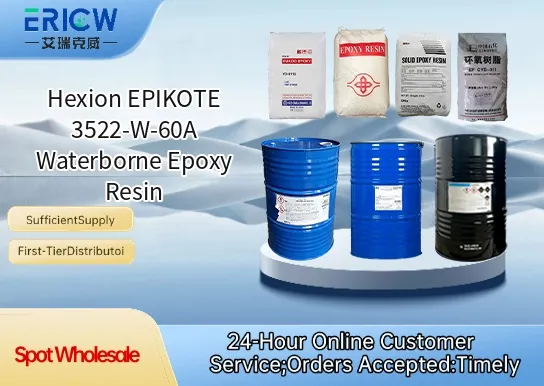
Low-VOC, waterborne formulation compliant with stringent environmental regulations including EPA and EU REACH.
Excellent chemical resistance post-cure, particularly against alkalis, solvents, and mild acids.
Good pot life and open time for ease of application in ambient-cure industrial coating systems.
Superior adhesion to properly prepared steel, concrete, and galvanized substrates without primer.
Stable dispersion with low viscosity, enabling high-solids formulations and efficient spray or roller application.
Waterborne industrial maintenance coatings for structural steel and metal infrastructure.
High-performance floor coatings in food processing, pharmaceutical, and cleanroom facilities.
Concrete primers and intermediate coats in protective lining systems for wastewater treatment plants.
Eco-conscious epoxy topcoats for architectural pre-fabricated components and façade elements.
Two-component waterborne epoxy binders for non-skid and anti-static flooring systems.
| Chemical Type | Bisphenol-A based waterborne epoxy dispersion |
| Product Form | Liquid dispersion |
| Appearance | Opaque white to off-white liquid |
| pH (10% aqueous solution) | 7.0 – 8.5 |
| Solids Content (wt%) | 58 – 62 |
| Viscosity (Brookfield, #3 spindle, 20 rpm, 25°C) | 1,500 – 3,500 cP |
| Density (25°C) | 1.08 – 1.12 g/cm³ |
| Free Bisphenol-A | < 50 ppm |
Q1: What is the primary function of EPIKOTE 3522-W-60A in waterborne coating systems?
A: EPIKOTE 3522-W-60A is a self-emulsifying, waterborne epoxy resin designed to serve as a reactive binder or co-resin in high-performance, low-VOC industrial and protective coatings. It contributes adhesion, chemical resistance, and crosslink density when paired with compatible waterborne curing agents.
Q2: Can EPIKOTE 3522-W-60A be used without organic co-solvents?
A: Yes — it is formulated for stable dispersion in water and typically requires minimal or no added organic co-solvents to achieve viscosity control or film formation, supporting compliance with stringent VOC regulations in architectural and industrial applications.
Q3: Which types of curing agents are compatible with this resin?
A: It is commonly paired with water-dispersible polyamine hardeners, including aliphatic and cycloaliphatic amine adducts. Compatibility should be confirmed through formulation testing, as performance depends on pH, mixing sequence, and ambient cure conditions.
Q4: How does EPIKOTE 3522-W-60A differ from solvent-based epoxy resins in terms of application handling?
A: Unlike solvent-based counterparts, it offers reduced odor, lower flammability risk, and simplified ventilation requirements during application. It also enables ambient-temperature cure in many formulations, though drying and final property development may be more sensitive to humidity and substrate moisture content.
Q5: Is EPIKOTE 3522-W-60A suitable for food-contact or potable water applications?
A: It is not pre-approved for direct food-contact or potable water applications. Formulators must conduct full regulatory evaluation—including migration testing and compliance verification—against applicable regional requirements before use in such end uses.
Contact With Us:
E-mail: wangxingqiang@ericwchem.com
Have a Questions? Call Us:
Add:
Building A1, Jiete Industrial Park, Huangpu District, Guangzhou City, Guangdong Province, China