English
 Español
 tiếng việt
 русский
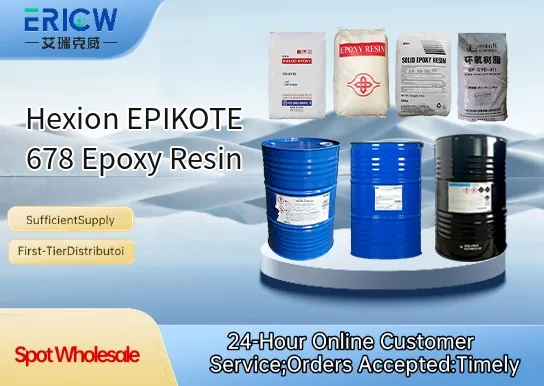
Low-viscosity liquid epoxy resin enabling excellent wetting and ease of processing in composites and coatings.
High purity with low chlorine content, supporting superior electrical insulation properties.
Excellent compatibility with standard amine and anhydride curing agents for broad formulation flexibility.
Good adhesion to metals, glass, and carbon fibers, enhancing structural integrity in laminates and adhesives.
Consistent batch-to-batch performance meeting stringent quality control standards for industrial manufacturing.
Aerospace composite matrices for primary and secondary structural components.
Electrical encapsulants and insulating varnishes for transformers and motors.
High-performance adhesive systems for metal-to-metal and metal-to-composite bonding.
Wind turbine blade resins requiring toughness, fatigue resistance, and processability.
Precision casting and potting formulations for electronics and sensor protection.
| Chemical Type | Bisphenol-A based diglycidyl ether epoxy resin |
| Product Form | Clear to pale yellow liquid |
| Appearance | Transparent, slightly viscous liquid at 25°C |
| Epoxy Equivalent Weight (EEW) | 183–192 g/eq |
| Viscosity at 25°C | 12–16 Pa·s (12,000–16,000 cP) |
| Chloride Content | ≤ 500 ppm |
| Volatiles Content | ≤ 0.3 wt% |
| Primary Applications | Composites, electrical insulation, adhesives, potting & encapsulation |
Q1: What is the primary chemical structure and functionality of EPIKOTE 678?
A: EPIKOTE 678 is a solid, bisphenol-A based diglycidyl ether epoxy resin with an average functionality close to 2.0. It exhibits high purity, low ionic chloride content, and consistent molecular weight distribution, making it well-suited for applications requiring thermal stability and mechanical performance.
Q2: How is EPIKOTE 678 typically cured, and what types of hardeners are compatible?
A: EPIKOTE 678 is commonly cured with aromatic or cycloaliphatic amines, anhydrides, or phenolic resins. Its reactivity profile supports both elevated-temperature and ambient-cure formulations, depending on the selected hardener system and catalyst usage.
Q3: Is EPIKOTE 678 suitable for electrical encapsulation and potting applications?
A: Yes — due to its excellent dielectric properties, low moisture absorption, and good adhesion to substrates like copper and glass, EPIKOTE 678 is widely used in electrical and electronic encapsulation, especially where long-term reliability under thermal cycling and humidity exposure is required.
Q4: What are key handling and storage considerations for this resin?
A: EPIKOTE 678 should be stored in tightly sealed containers at temperatures between 15–30°C, protected from moisture and direct sunlight. Prolonged exposure to elevated temperatures may cause gradual crystallization; if formed, gentle warming to ~50°C with thorough mixing restores homogeneity without degrading performance.
Q5: Can EPIKOTE 678 be blended with other epoxy resins or modifiers?
A: Yes — it is fully miscible with most liquid and solid epoxy resins, including novolacs and multifunctional epoxies. It is also compatible with common reactive diluents, flexibilizers, and fillers, allowing formulators to tailor viscosity, cure speed, and final crosslink density.
Contact With Us:
E-mail: wangxingqiang@ericwchem.com
Have a Questions? Call Us:
Add:
Building A1, Jiete Industrial Park, Huangpu District, Guangzhou City, Guangdong Province, China