English
 Español
 tiếng việt
 русский
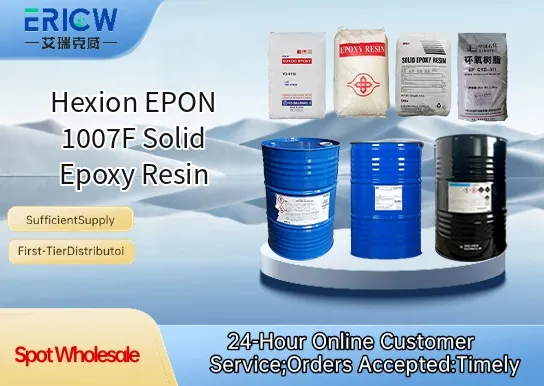
Low molecular weight solid epoxy resin with high reactivity toward amines and anhydrides.
Excellent solubility in common organic solvents and compatibility with various thermoset resins.
Provides superior mechanical strength, chemical resistance, and thermal stability in cured systems.
Consistent batch-to-batch performance ensuring reliable processing in industrial formulations.
Designed for use in high-performance composites, adhesives, and powder coatings requiring low melt viscosity.
Aerospace composite matrices for structural components and interior panels.
High-voltage electrical encapsulants and insulating varnishes.
Powder coatings for metal substrates requiring durability and corrosion resistance.
Structural adhesives in automotive and wind energy applications.
Prepregs and filament-wound parts for demanding industrial environments.
| Chemical Type | Bisphenol-A based solid epoxy resin |
| Product Form | Off-white to light tan solid flakes or pellets |
| Appearance | Free-flowing granular solid at room temperature |
| Epoxy Equivalent Weight (EEW) | 485–515 g/eq |
| Melt Viscosity (at 150°C) | 3,000–6,000 cP |
| Glass Transition Temperature (Tg) | 50–65°C (uncured) |
| Softening Point | 75–85°C (ring-and-ball method) |
| Volatile Content | ≤ 0.5 wt% |
Q1: What is the primary chemical structure and typical molecular weight range of EPON 1007F?
A: EPON 1007F is a solid bisphenol-A based diglycidyl ether epoxy resin with an average molecular weight typically in the range of 350–450 g/mol, corresponding to an epoxide equivalent weight (EEW) of approximately 185–195 g/eq. Its solid form at room temperature reflects its higher molecular weight relative to liquid epoxy resins.
Q2: How is EPON 1007F typically processed in industrial formulations?
A: EPON 1007F is commonly melted and mixed into thermoset systems using high-shear mixing or extrusion processes. It exhibits good solubility in common organic solvents (e.g., methyl ethyl ketone, cyclohexanone) and is readily compatible with standard epoxy curing agents such as dicyandiamide (DICY), aromatic amines, and anhydrides—enabling use in powder coatings, filament winding, and prepreg applications.
Q3: Is EPON 1007F suitable for high-gloss, durable powder coating systems?
A: Yes—EPON 1007F is widely used in high-performance powder coatings due to its excellent film-forming capability, low melt viscosity upon heating, and ability to yield smooth, defect-free surfaces after cure. Its reactivity profile supports balanced flow and gel time, contributing to consistent appearance and mechanical performance in architectural and industrial finishes.
Q4: What are key handling and storage considerations for this solid epoxy resin?
A: EPON 1007F should be stored in a cool, dry environment below 30 °C and protected from moisture and direct sunlight. As a hygroscopic solid, prolonged exposure to humid conditions may lead to surface tackiness or reduced reactivity. It is recommended to keep containers tightly sealed and to pre-dry if exposed to ambient humidity before processing.
Contact With Us:
E-mail: wangxingqiang@ericwchem.com
Have a Questions? Call Us:
Add:
Building A1, Jiete Industrial Park, Huangpu District, Guangzhou City, Guangdong Province, China