English
 Español
 tiếng việt
 русский
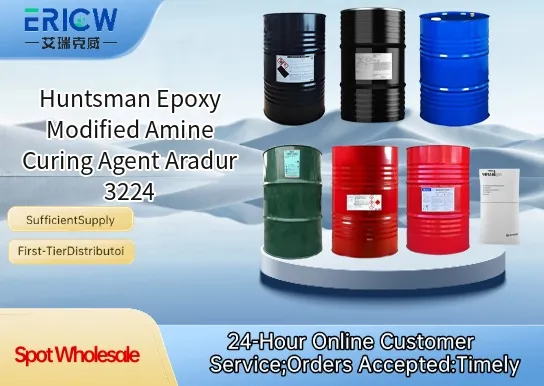
Fast-reacting modified amine chemistry enabling reduced cure times at ambient and elevated temperatures.
Excellent compatibility with standard bisphenol-A and bisphenol-F epoxy resins.
Low viscosity for easy handling, metering, and homogeneous mixing without solvent addition.
Good flexibility and impact resistance in cured epoxy systems without compromising chemical resistance.
Low volatility and low skin sensitization potential compared to conventional aliphatic amines.
High-performance industrial flooring systems requiring rapid return-to-service.
Structural adhesives for metal, composites, and concrete bonding in transportation and construction.
Electrical encapsulation and potting compounds demanding low exotherm and dimensional stability.
Repair mortars and grouts where ambient-cure performance and mechanical robustness are critical.
Marine and offshore protective coatings requiring corrosion resistance and humidity tolerance during cure.
| Chemical Type | Epoxy-modified aliphatic amine |
| Product Form | Liquid |
| Appearance | Pale yellow to amber clear liquid |
| Primary Applications | Ambient- and heat-cured epoxy adhesives, coatings, and composites |
| Key Features | Low viscosity, fast ambient cure, low volatility, good resin compatibility |
| Benefits | Reduced processing time, improved worker safety, enhanced toughness and flexibility |
| Storage Stability | 12 months in original unopened container at 20–25°C |
| Recommended Mix Ratio (by weight) | 100 parts epoxy resin : 28–32 parts Aradur 3224 (varies by resin) |
Q1: What is the primary function of Aradur 3224 in epoxy systems?
A: Aradur 3224 is an epoxy-modified amine curing agent designed to provide enhanced compatibility, reduced viscosity, and improved flexibility in epoxy resin formulations—particularly where low-temperature cure performance and good adhesion to challenging substrates are required.
Q2: Is Aradur 3224 suitable for use in high-performance coatings or adhesives?
A: Yes—Aradur 3224 is commonly selected for demanding industrial coating, adhesive, and composite applications where a balance of toughness, chemical resistance, and extended pot life is needed. Its modified structure helps mitigate amine blush and improves intercoat adhesion in multi-layer systems.
Q3: How does Aradur 3224 compare to conventional aliphatic amines in terms of reactivity and handling?
A: Compared to standard aliphatic amines, Aradur 3224 exhibits moderated reactivity, offering longer working time and reduced exotherm—especially beneficial in thicker sections or ambient-cure applications. It also features lower volatility and reduced skin irritation potential, supporting safer industrial handling.
Q4: Can Aradur 3224 be used with standard DGEBA-type epoxy resins?
A: Yes—Aradur 3224 is fully compatible with conventional liquid and solid bisphenol-A (DGEBA) and bisphenol-F epoxy resins. Optimal stoichiometry and cure schedule should be determined empirically based on the specific resin grade and end-use requirements.
Contact With Us:
E-mail: wangxingqiang@ericwchem.com
Have a Questions? Call Us:
Add:
Building A1, Jiete Industrial Park, Huangpu District, Guangzhou City, Guangdong Province, China