English
 Español
 tiếng việt
 русский
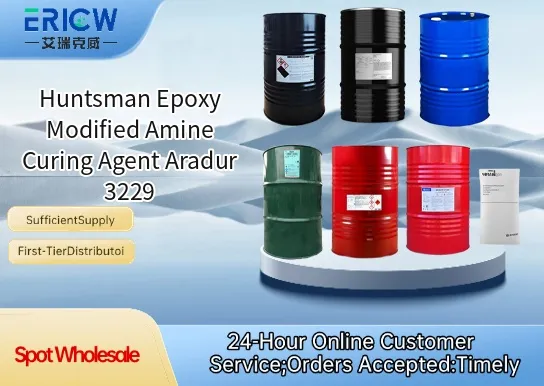
Low-viscosity liquid enabling excellent flow and wetting in demanding coating and adhesive formulations.
Extended pot life at ambient temperature, facilitating easier processing and improved application window.
Fast cure development at elevated temperatures, supporting efficient industrial bake cycles.
Enhanced chemical resistance post-cure, particularly against solvents, alkalis, and mild acids.
Improved flexibility and impact resistance compared to conventional amine hardeners, reducing brittleness in thick-film applications.
High-performance industrial maintenance coatings for steel infrastructure and offshore assets.
Electrical encapsulation and potting compounds requiring thermal stability and dielectric integrity.
Structural adhesives for automotive and transportation composites bonding.
Self-leveling epoxy flooring systems requiring extended working time and low odor profile.
Repair mortars and grouts where rapid strength build-up and moisture tolerance are critical.
| Chemical Type | Epoxy-modified aliphatic amine |
| Product Form | Liquid |
| Appearance | Pale yellow to amber clear liquid |
| Primary Applications | Coatings, adhesives, encapsulants, and repair mortars |
| Key Features | Low viscosity, extended pot life, fast heat-cure response, flexible cured film |
| Benefits | Improved processability, reduced VOC potential, enhanced durability, and broad formulation compatibility |
| Storage Stability | 12 months minimum at 20–25°C in original unopened container |
| Reactivity Profile | Compatible with standard DGEBA and modified epoxy resins |
Q1: What is the primary function of Aradur 3229 in epoxy systems?
A: Aradur 3229 is an epoxy-modified amine curing agent designed to provide enhanced flexibility, improved adhesion to challenging substrates, and reduced sensitivity to moisture during cure—making it especially suitable for demanding industrial coatings and composite applications.
Q2: How does Aradur 3229 differ from conventional aliphatic amines?
A: Unlike standard aliphatic amines, Aradur 3229 incorporates epoxy functionality that modifies its reactivity profile—offering a longer pot life, lower exotherm, and improved compatibility with hydrophobic resins, while retaining good mechanical performance after cure.
Q3: Is Aradur 3229 compatible with standard DGEBA-type epoxy resins?
A: Yes, Aradur 3229 demonstrates broad compatibility with diglycidyl ether of bisphenol-A (DGEBA) and other common liquid and solid epoxy resins, and is commonly used in both solvent-based and solvent-free formulations.
Q4: What are typical handling considerations for Aradur 3229?
A: As with most amine-based curing agents, Aradur 3229 should be handled using appropriate personal protective equipment (PPE), including chemical-resistant gloves and eye protection. It is sensitive to moisture and carbon dioxide, so containers should be kept tightly sealed when not in use.
Q5: Can Aradur 3229 be used in low-temperature curing applications?
A: Yes, Aradur 3229 enables effective cure at ambient and moderately reduced temperatures (e.g., down to 10–15°C), though full property development may require extended post-cure or elevated temperature conditioning depending on film thickness and formulation design.
Contact With Us:
E-mail: wangxingqiang@ericwchem.com
Have a Questions? Call Us:
Add:
Building A1, Jiete Industrial Park, Huangpu District, Guangzhou City, Guangdong Province, China