English
 Español
 tiếng việt
 русский
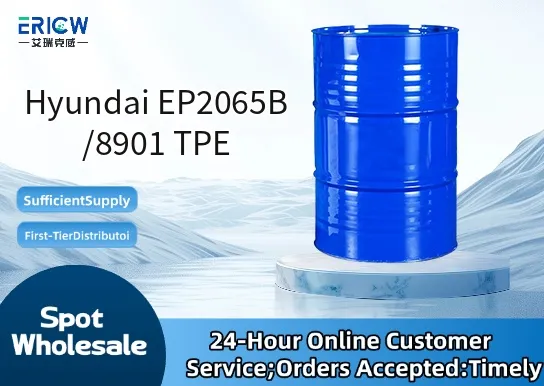
Thermoplastic elastomer (TPE) based on SEBS chemistry for excellent elasticity and soft-touch feel.
Good processability via injection molding and extrusion without requiring vulcanization.
Outstanding UV and thermal aging resistance, suitable for outdoor and long-term use.
Low extractables and compliant with FDA 21 CFR §177.2600 for food-contact–adjacent applications.
Recyclable and compatible with polypropylene (PP) and polyethylene (PE) for multi-material part design.
Automotive interior trim components including door panels, armrests, and dashboard seals.
Consumer electronics protective cases and soft-grip overmolds for power tools and appliances.
Medical device grips and non-sterile housings requiring biocompatibility and tactile comfort.
Household appliance seals, gaskets, and ergonomic handles for kitchen and cleaning equipment.
Sports and leisure products such as bicycle grips, yoga mat surfaces, and wearable accessories.
| Chemical Type | SEBS-based Thermoplastic Elastomer |
| Product Form | Pellets |
| Appearance | Off-white to light beige granules |
| Primary Applications | Overmolding, soft-touch components, sealing solutions |
| Key Features | Elastic recovery, low compression set, PP/PE compatibility |
| Benefits | Energy-efficient processing, recyclability, reduced part weight vs. rubber |
| Processing Method | Injection molding, extrusion, two-shot molding |
| Standard Packaging | 25 kg multi-layer moisture-proof bag in cardboard box |
Q1: What is the primary function of Hyundai EP2065B/8901 TPE in polymer formulations?
A: Hyundai EP2065B/8901 TPE functions as a thermoplastic elastomer modifier, primarily used to enhance flexibility, impact resistance, and melt processability in polyolefin-based compounds—especially in soft-touch overmolding and multi-material bonding applications.
Q2: Is EP2065B/8901 compatible with common engineering resins like PP, PE, and ABS?
A: Yes, EP2065B/8901 exhibits good compatibility with polypropylene (PP) and high-density polyethylene (HDPE), and can be blended with ABS for improved ductility—though optimal dispersion typically requires controlled melt temperature and shear conditions during compounding.
Q3: Can this TPE be used in applications requiring skin contact or consumer product safety compliance?
A: While EP2065B/8901 is formulated without intentionally added heavy metals or phthalates, formal regulatory compliance (e.g., for food contact or medical use) must be verified through end-product testing and certification by the compounder or final manufacturer, as performance depends on full formulation and processing history.
Q4: What are typical processing conditions for EP2065B/8901 TPE?
A: This grade is designed for conventional thermoplastic processing methods including injection molding and extrusion. Recommended melt temperatures generally range from 170 °C to 210 °C, with mold temperatures between 20 °C and 50 °C—exact settings should be optimized based on equipment, part geometry, and desired surface finish.
Contact With Us:
E-mail: wangxingqiang@ericwchem.com
Have a Questions? Call Us:
Add:
Building A1, Jiete Industrial Park, Huangpu District, Guangzhou City, Guangdong Province, China