English
 Español
 tiếng việt
 русский
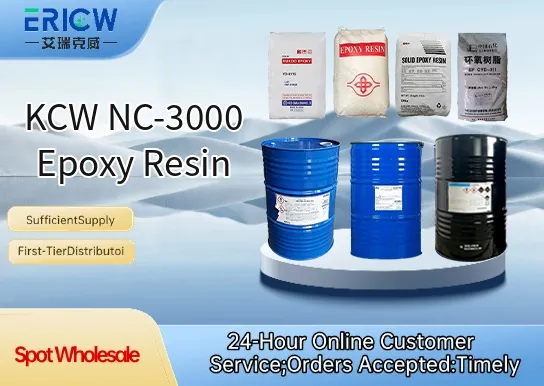
High-performance bisphenol-A based liquid epoxy resin with excellent mechanical strength and chemical resistance.
Low viscosity (12,000–14,000 cP at 25°C) enabling easy handling, mixing, and impregnation in composite processing.
Superior adhesion to metals, fiberglass, and carbon fiber substrates without requiring specialized primers.
Optimized reactivity profile for controlled gel time and extended pot life with standard amine or anhydride curing agents.
Low chloride content (< 500 ppm), ensuring high electrical insulation performance and corrosion resistance in end-use components.
Structural composites for wind turbine blades and aerospace secondary structures.
Electrical encapsulation and potting compounds for high-voltage transformers and power electronics.
High-strength adhesive formulations for automotive bonding and repair applications.
Prepreg matrix resin for carbon fiber reinforced polymer (CFRP) laminates.
Marine-grade protective coatings and corrosion-resistant linings for tanks and piping systems.
| Chemical Type | Bisphenol-A epoxy resin |
| Product Form | Clear to pale yellow viscous liquid |
| Appearance | Homogeneous, transparent, free of gels or sediment |
| Epoxy Equivalent Weight (EEW) | 186–192 g/eq |
| Viscosity (25°C) | 12,000–14,000 cP |
| Chloride Content | < 500 ppm |
| Volatiles Content | < 0.3 wt% |
| Storage Stability | 12 months at 20–25°C in sealed containers |
Q1: What is the primary functional role of KCW NC-3000 in epoxy formulations?
A: KCW NC-3000 is a reactive liquid diluent designed to reduce viscosity and improve processability of standard bisphenol-A or bisphenol-F based epoxy resins without significantly compromising crosslink density or thermal performance.
Q2: Is KCW NC-3000 compatible with common amine-based curing agents?
A: Yes — it demonstrates good compatibility with aliphatic, cycloaliphatic, and aromatic amines, as well as anhydride hardeners, enabling broad formulation flexibility for coatings, adhesives, and composites.
Q3: How does KCW NC-3000 compare to non-reactive diluents in terms of final cured properties?
A: Unlike non-reactive diluents, KCW NC-3000 participates in the curing reaction, helping retain mechanical strength, chemical resistance, and glass transition temperature in the final network — especially when used at moderate dosage levels.
Q4: What are the recommended storage conditions for KCW NC-3000?
A: Store in tightly sealed original containers under dry, cool conditions (below 30 °C) and protected from moisture and direct sunlight. Prolonged exposure to elevated temperatures or humidity may affect shelf life and handling characteristics.
Contact With Us:
E-mail: wangxingqiang@ericwchem.com
Have a Questions? Call Us:
Add:
Building A1, Jiete Industrial Park, Huangpu District, Guangzhou City, Guangdong Province, China