English
 Español
 tiếng việt
 русский
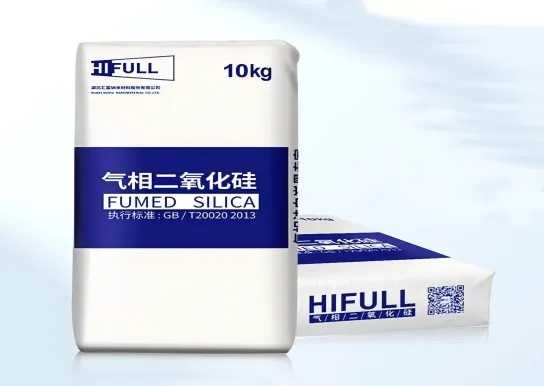
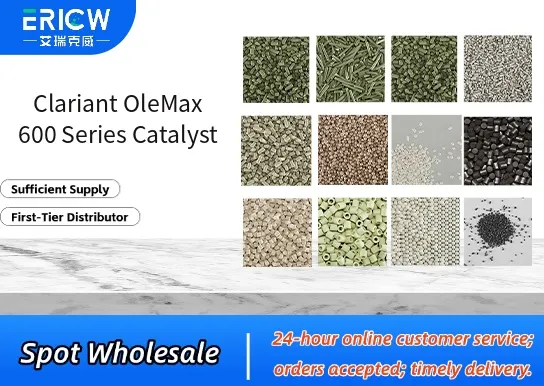
Highly selective palladium-based heterogeneous catalyst optimized for cross-coupling reactions.
Thermally stable up to 180 °C, enabling robust performance in extended batch processes.
Low leaching profile ensures consistent metal retention and reduced downstream contamination.
Engineered for excellent reusability—retains >95% activity after five consecutive reaction cycles under standard conditions.
Free-flowing powder form with controlled particle size distribution for uniform dispersion in slurry-phase reactors.
Pharmaceutical intermediate synthesis via Suzuki-Miyaura coupling.
Agrochemical active ingredient manufacturing involving aryl-aryl bond formation.
Electronic materials production, including conductive polymer precursors.
Specialty dye and pigment synthesis requiring high chemo- and regioselectivity.
Advanced polymer building block preparation for high-performance thermoplastics.
| Chemical Type | Palladium on activated carbon (Pd/C), modified with proprietary ligand stabilization |
| Product Form | Free-flowing black granular powder |
| Appearance | Uniform dark gray to black granules |
| Palladium Content | 5.0 wt% ± 0.2 wt% |
| Particle Size Range | 20–80 μm (D50 ≈ 45 μm) |
| Bulk Density | 0.45–0.55 g/cm³ |
| Primary Applications | Suzuki, Heck, and Stille cross-coupling reactions |
| Storage Conditions | Store under inert atmosphere at 15–25 °C; protect from moisture and direct sunlight |
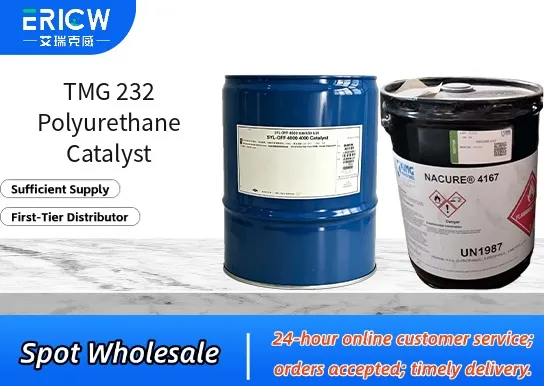
Q1: What is the primary function of N-155 in polyurethane systems?
A: N-155 is a highly selective tertiary amine catalyst designed to promote urethane formation (polyol–isocyanate reaction) while minimizing side reactions such as trimerization or hydrolysis, supporting balanced reactivity and processing control in flexible and rigid foams.
Q2: Is N-155 compatible with common polyurethane raw materials?
A: Yes — N-155 demonstrates broad compatibility with conventional polyols (including polyester and polyether types), aromatic and aliphatic isocyanates, surfactants, blowing agents, and other standard formulation additives used in industrial PU manufacturing.
Q3: How should N-155 be handled and stored?
A: Store in original sealed containers at temperatures between 10–30°C, away from moisture, strong oxidizers, and direct sunlight. Handle using appropriate PPE (gloves, eye protection, ventilation) consistent with standard industrial amine handling practices.
Q4: Can N-155 be used in low-emission or high-solid formulations?
A: Yes — its high catalytic efficiency allows for reduced overall amine loading, which can contribute to lower volatile organic compound (VOC) profiles and improved performance in environmentally optimized systems without compromising cure kinetics.
Contact With Us:
E-mail: wangxingqiang@ericwchem.com
Have a Questions? Call Us:
Add:
Building A1, Jiete Industrial Park, Huangpu District, Guangzhou City, Guangdong Province, China