English
 Español
 tiếng việt
 русский
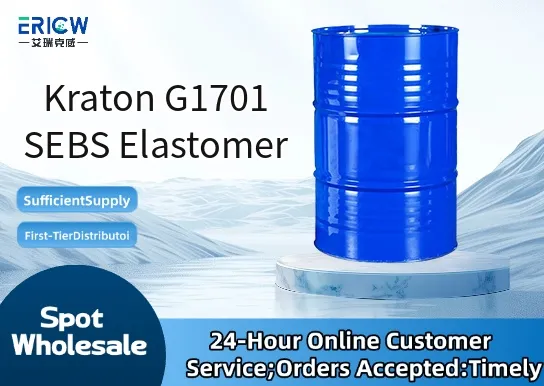
Thermoplastic elastomer based on styrene–ethylene/butylene–styrene (SEBS) triblock copolymer architecture.
Excellent UV and thermal stability due to saturated mid-block, enabling long-term outdoor performance.
Good melt processability for extrusion, injection molding, and overmolding onto polypropylene or ABS substrates.
Soft-touch surface feel with low coefficient of friction and high tactile comfort.
Halogen-free formulation compliant with RoHS and REACH regulatory requirements.
Overmolded grips for power tools, hand-held electronics, and medical devices.
Flexible components in automotive interior trim, including gear shift boots and control knobs.
Seals and gaskets requiring compression set resistance and weatherability.
Consumer appliance housings requiring soft-touch aesthetics and impact absorption.
Personal care product casings such as electric toothbrushes and shavers.
| Chemical Type | Styrene–ethylene/butylene–styrene (SEBS) triblock copolymer |
| Product Form | Pellets |
| Appearance | Off-white to light tan, free-flowing pellets |
| Primary Applications | Overmolding, soft-touch components, seals, grips |
| Key Features | UV stable, thermoplastic, halogen-free, good melt strength |
| Benefits | Enhanced durability, recyclability, design flexibility, regulatory compliance |
| Density (g/cm³) | 0.91–0.93 |
| Melt Flow Rate (230 °C/2.16 kg, g/10 min) | 15–25 |
Q1: What are the key processing advantages of Kraton G1701 compared to other thermoplastic elastomers?
A: Kraton G1701 offers excellent melt processability via extrusion, injection molding, and blow molding due to its balanced molecular structure and low melt viscosity. It exhibits good thermal stability during processing and minimal plate-out or die buildup, supporting high-line-speed production in compound and finished goods manufacturing.
Q2: How does Kraton G1701 perform in soft-touch overmolding applications?
A: Kraton G1701 provides strong adhesion to many rigid substrates—including polypropylene, ABS, and polycarbonate—without requiring primers or surface treatments. Its low modulus and high elasticity deliver a premium tactile feel and consistent surface appearance, making it well-suited for consumer electronics housings, medical device grips, and automotive interior components.
Q3: Is Kraton G1701 suitable for medical or food-contact applications?
A: Kraton G1701 is manufactured under controlled conditions and is commonly used in non-implantable medical devices and food-contact-adjacent applications where regulatory compliance is required. Final suitability depends on full formulation validation, including extractables/leachables testing and compatibility with intended sterilization methods. Users should consult Kraton’s regulatory support documentation and conduct application-specific qualification.
Q4: Can Kraton G1701 be blended with other polymers, and what considerations apply?
A: Yes—Kraton G1701 is frequently compounded with polypropylene, polyethylene, and various fillers or plasticizers to tailor hardness, flexibility, and flow behavior. Compatibility is generally good with non-polar resins; however, polarity mismatches (e.g., with nylon or PET) may require compatibilizers. Thorough rheological and morphological evaluation is recommended for each blend system.
Contact With Us:
E-mail: wangxingqiang@ericwchem.com
Have a Questions? Call Us:
Add:
Building A1, Jiete Industrial Park, Huangpu District, Guangzhou City, Guangdong Province, China