English
 Español
 tiếng việt
 русский
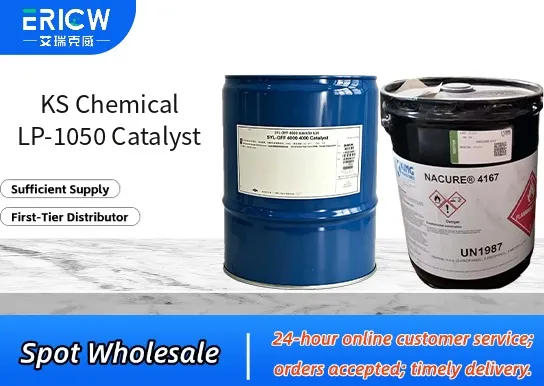
Highly selective for low-temperature hydrogenation of unsaturated carbonyl compounds.
Thermally stable up to 220 °C, enabling robust performance in continuous fixed-bed reactors.
Low metal leaching (<0.1 ppm Ni/Cr under standard operating conditions), ensuring product purity and catalyst longevity.
Engineered with controlled pore structure for improved mass transfer and reduced coking tendency.
Supplied as a ready-to-use, pre-reduced formulation—eliminates on-site activation and startup delays.
Production of pharmaceutical intermediates requiring chemoselective C=C bond reduction.
Synthesis of fine chemicals including flavor & fragrance aldehydes and saturated esters.
Hydrogenation of α,β-unsaturated ketones in agrochemical active ingredient manufacturing.
Refining of specialty polyols for high-performance polyurethane precursors.
Catalytic upgrading of bio-based platform molecules (e.g., furfural derivatives) in green chemistry processes.
| Chemical Type | Nickel-chromium bimetallic supported on high-surface-area alumina |
| Product Form | Granular pellets (1.5–2.5 mm diameter) |
| Appearance | Gray-black free-flowing granules |
| Primary Applications | Low-temperature selective hydrogenation of C=C bonds in presence of sensitive functional groups |
| Key Features | Pre-reduced, thermally stable, low leaching, high chemoselectivity |
| Recommended Operating Temperature | 60–180 °C |
| Recommended H₂ Pressure Range | 1–20 bar |
| Storage Conditions | Under inert atmosphere (N₂ or Ar), dry, room temperature |
Q1: What is the primary application of LP-1050 in polymer synthesis?
A: LP-1050 is a high-efficiency transition metal-based catalyst primarily designed for condensation polymerization reactions, especially in the production of polyesters and polyether esters where controlled molecular weight development and low residual catalyst content are critical.
Q2: How should LP-1050 be handled and stored to maintain stability?
A: LP-1050 should be stored in its original sealed container under inert atmosphere (e.g., nitrogen or argon), protected from moisture, oxygen, and direct sunlight. It is recommended to keep it at room temperature in a dry, well-ventilated area; prolonged exposure to ambient air may lead to gradual activity loss.
Q3: Is LP-1050 compatible with common industrial polymerization equipment and process conditions?
A: Yes — LP-1050 demonstrates robust performance under standard melt-phase and solution-phase polymerization conditions, including temperatures up to 280 °C and moderate vacuum levels. It shows good compatibility with stainless steel reactors and standard agitator systems used in continuous and batch processes.
Q4: What are typical dosage guidelines for LP-1050 in polyester synthesis?
A: Dosage is formulation-dependent, but LP-1050 is typically used at low concentrations — generally ranging from 0.1% to 2% by weight relative to the total monomer charge — to achieve target reaction kinetics and final polymer properties without excessive color formation or thermal instability.
Contact With Us:
E-mail: wangxingqiang@ericwchem.com
Have a Questions? Call Us:
Add:
Building A1, Jiete Industrial Park, Huangpu District, Guangzhou City, Guangdong Province, China