English
 Español
 tiếng việt
 русский
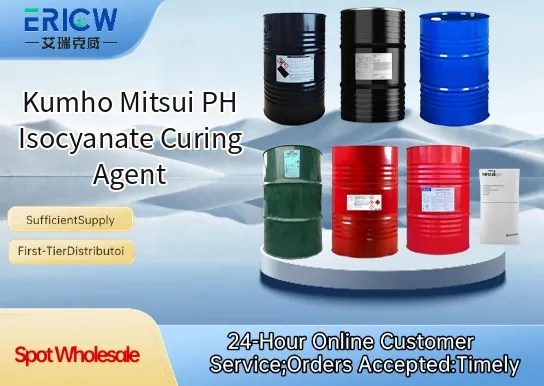
High reactivity with hydroxyl-terminated polyols and amines for rapid gelation and short demold times.
Excellent compatibility with aliphatic and aromatic polyurethane resin systems.
Low viscosity formulation enabling easy handling, metering, and uniform dispersion in coatings and adhesives.
Enhanced weather resistance and UV stability due to its aliphatic isocyanate backbone.
Consistent NCO content ensures predictable stoichiometry and reproducible crosslink density.
High-performance two-component polyurethane coatings for automotive clearcoats and topcoats.
Durable industrial maintenance coatings for metal and concrete substrates.
Flexible and abrasion-resistant elastomeric flooring systems.
Moisture-cure resistant sealants and structural adhesives in construction and transportation.
Clear, non-yellowing protective coatings for architectural and decorative finishes.
| Chemical Type | Aliphatic polyisocyanate (hexamethylene diisocyanate trimer) |
| Product Form | Liquid |
| Appearance | Colorless to pale yellow transparent liquid |
| NCO Content (wt%) | 13.5–14.5% |
| Viscosity @ 25°C (mPa·s) | 800–1,200 |
| Specific Gravity @ 25°C | 1.18–1.22 |
| Flash Point (°C, closed cup) | 165–175 |
| Storage Stability | Stable under dry, cool conditions (<25°C) for ≥12 months |
Q1: What types of resin systems is this curing agent compatible with?
A: Kumho Mitsui PH Isocyanate Curing Agent is specifically designed for use with hydroxyl-functional resins, including polyesters, acrylics, and polyethers. It is commonly employed in two-component polyurethane coatings, adhesives, and sealants where enhanced crosslink density and chemical resistance are required.
Q2: How does the PH grade differ from standard aliphatic isocyanate curing agents?
A: The PH grade features a proprietary modification that improves hydrolytic stability and reduces sensitivity to ambient moisture during handling and mixing. This results in extended pot life and more consistent film formation under variable humidity conditions, without compromising final cure performance or UV stability.
Q3: What is the typical dosage range when formulating with this curing agent?
A: Dosage depends on the hydroxyl value and molecular weight of the resin system, but it is generally used at low concentrations—typically ranging from 0.1% to 2% by weight relative to total resin solids—to achieve full crosslinking while maintaining optimal viscosity and application properties.
Q4: Does this product require special storage or handling precautions?
A: Yes. As with all isocyanate-based materials, it should be stored in tightly sealed containers under dry, inert conditions—preferably under nitrogen—to prevent moisture absorption. Avoid exposure to high temperatures and direct sunlight. Use appropriate PPE, including nitrile gloves and respiratory protection when handling in open systems.
Contact With Us:
E-mail: wangxingqiang@ericwchem.com
Have a Questions? Call Us:
Add:
Building A1, Jiete Industrial Park, Huangpu District, Guangzhou City, Guangdong Province, China