English
 Español
 tiếng việt
 русский
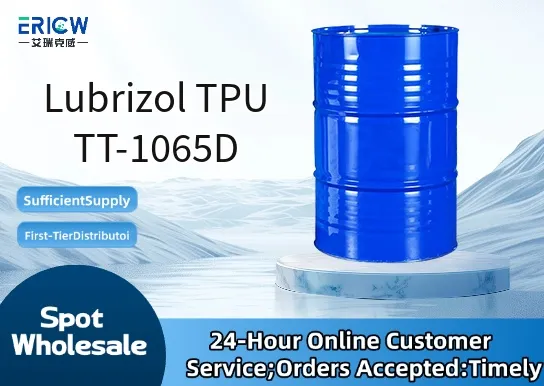
Excellent melt processability for high-speed extrusion and injection molding
Outstanding abrasion resistance and mechanical toughness
Good low-temperature flexibility down to –40 °C
Enhanced hydrolytic stability suitable for humid or outdoor environments
Compatible with common TPU processing equipment and standard drying protocols
High-performance automotive interior trim and soft-touch surfaces
Durable industrial hoses and fluid transfer tubing
Flexible protective coatings for cables and wire jacketing
Technical components requiring impact resilience and dimensional stability
Medical device housings and non-implantable wearable components
| Chemical Type | Thermoplastic Polyurethane (Aliphatic Polyester-based) |
| Product Form | Pellets |
| Appearance | Off-white to light tan, free-flowing granules |
| Primary Applications | Extruded profiles, injection-molded parts, coated fabrics |
| Key Features | Melt flow index (230 °C/2.16 kg): 8–12 g/10 min |
| Benefits | Balanced hardness (Shore A 65), excellent clarity retention |
| Drying Requirement | 80–90 °C for 4–6 hours prior to processing |
| Storage Conditions | Store in original sealed packaging at <25 °C and <50% RH |
Q1: What is the primary function of Lubrizol TPU TT-1065D in thermoplastic polyurethane (TPU) formulations?
A: Lubrizol TPU TT-1065D is a high-performance processing aid and surface modifier designed to improve melt flow, reduce extrusion pressure, and enhance surface finish in TPU compounds—particularly during extrusion and injection molding processes.
Q2: Is TT-1065D compatible with all common TPU chemistries (e.g., polyester- and polyether-based TPUs)?
A: Yes, TT-1065D demonstrates broad compatibility across major TPU families, including aromatic and aliphatic polyester- and polyether-based grades. Compatibility should always be confirmed through small-scale formulation trials under intended processing conditions.
Q3: How does TT-1065D affect the mechanical properties of the final TPU product?
A: When used at recommended dosage levels, TT-1065D typically maintains key mechanical properties—including tensile strength, elongation, and tear resistance—while significantly improving processability. Minor reductions in modulus may occur at higher loadings, so optimization is advised for performance-critical applications.
Q4: Can TT-1065D be used in applications requiring regulatory compliance for food contact or medical devices?
A: TT-1065D is not pre-approved for food-contact or medical applications. Customers intending such use must conduct full regulatory evaluation—including extractables/leachables testing and toxicological assessment—as part of their own compliance program.
Contact With Us:
E-mail: wangxingqiang@ericwchem.com
Have a Questions? Call Us:
Add:
Building A1, Jiete Industrial Park, Huangpu District, Guangzhou City, Guangdong Province, China