English
 Español
 tiếng việt
 русский
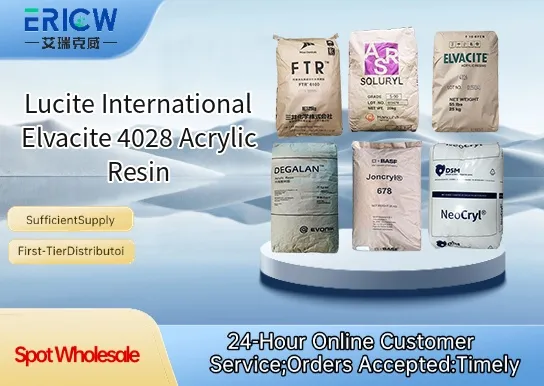
High molecular weight methyl methacrylate (MMA) homopolymer offering excellent clarity and UV resistance.
Superior thermal stability for consistent performance in high-temperature processing such as extrusion and injection molding.
Low yellowing index and exceptional weatherability, maintaining optical properties over extended outdoor exposure.
Excellent solution viscosity control, enabling predictable rheology in solvent-based coating and adhesive formulations.
Consistent batch-to-batch reproducibility, meeting stringent quality requirements for regulated industrial applications.
High-performance automotive clearcoats and OEM topcoats.
Precision optical lenses and light-diffusing components for LED lighting systems.
Durable signage and architectural glazing requiring long-term transparency and impact resistance.
Solvent-based industrial coatings for metal and plastic substrates.
Binders in specialty printing inks and decorative film laminates.
| Chemical Type | Methyl methacrylate homopolymer |
| Product Form | Free-flowing white granular solid |
| Appearance | White, free-flowing granules |
| Primary Applications | Coatings, optical components, signage, industrial finishes |
| Key Features | High clarity, UV stability, thermal processability, low yellowness |
| Benefits | Long-term gloss retention, excellent adhesion to diverse substrates, reduced formulation complexity |
| Solubility | Soluble in esters, ketones, chlorinated hydrocarbons, and aromatic solvents |
| Storage Conditions | Store in cool, dry, well-ventilated area; protect from moisture and direct sunlight |
Q1: What is the primary function of Elvacite 4028 in coating formulations?
A: Elvacite 4028 is a solution-grade methyl methacrylate-based acrylic resin designed to serve as a film-forming binder and rheology modifier in solvent-borne industrial coatings, particularly where high clarity, gloss retention, and UV resistance are required.
Q2: Is Elvacite 4028 suitable for use in food-contact coatings?
A: Elvacite 4028 is not pre-approved for direct food-contact applications. Its suitability for such uses depends on final formulation compliance with applicable regional regulatory frameworks, and requires full evaluation—including migration testing—by the formulator or end-user.
Q3: Which solvents are commonly used to dissolve or dilute Elvacite 4028?
A: Elvacite 4028 exhibits good solubility in common organic solvents including aromatic hydrocarbons (e.g., xylene, toluene), ketones (e.g., MEK, acetone), and esters (e.g., ethyl acetate, butyl acetate). Solvent selection should consider VOC regulations, evaporation rate, and compatibility with other formulation components.
Q4: How does Elvacite 4028 compare to other Elvacite resins in terms of molecular weight and solution viscosity?
A: Elvacite 4028 is classified as a medium-molecular-weight resin and delivers moderate solution viscosity in standard solvent blends—typically lower than higher-MW grades like Elvacite 2041 but higher than low-viscosity resins such as Elvacite 2010. This balance supports ease of application while maintaining film integrity.
Contact With Us:
E-mail: wangxingqiang@ericwchem.com
Have a Questions? Call Us:
Add:
Building A1, Jiete Industrial Park, Huangpu District, Guangzhou City, Guangdong Province, China