English
 Español
 tiếng việt
 русский
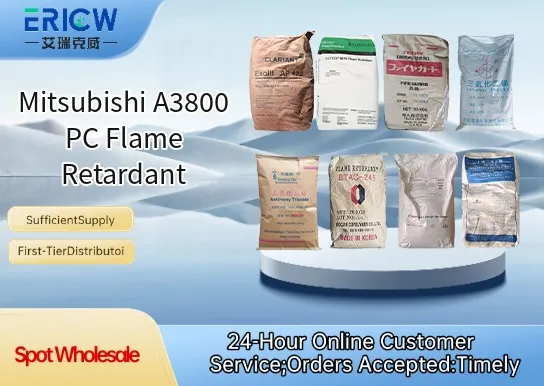
UL 94 V-0 rated at 1.5 mm thickness for superior flame resistance.
Excellent impact strength and ductility retention after flame-retardant modification.
Good dimensional stability under thermal cycling and humid conditions.
Low smoke generation and reduced toxic gas emission during combustion (compliant with IEC 61249-2-21).
Compatible with standard polycarbonate processing methods including injection molding and extrusion.
Electrical enclosures and junction boxes for industrial control systems.
Housings for power adapters, chargers, and consumer electronics power supplies.
Components in LED lighting fixtures requiring high fire safety compliance.
Busbar covers and insulating parts in low-voltage switchgear assemblies.
Medical device housings where flame retardancy and biocompatibility-supporting processing are critical.
| Chemical Type | Flame-retardant modified aromatic polycarbonate |
| Product Form | Pellets |
| Appearance | Natural translucent granules |
| Primary Applications | Electrical & electronic components requiring UL 94 V-0 rating |
| Key Features | Halogen-free flame retardancy, high flow, good surface finish |
| Benefits | Reduced corrosion risk in contacts, recyclability support, RoHS and REACH compliant |
| Processing Temperature Range | 270–310 °C (melt temperature) |
| Standard Packaging | 25 kg multi-wall paper bags with polyethylene liner |
Q1: What is the primary polymer matrix Mitsubishi A3800 PC Flame Retardant is designed for?
A: Mitsubishi A3800 is specifically formulated as a flame retardant additive for polycarbonate (PC) and PC-based blends, where it delivers balanced flame performance without significantly compromising mechanical properties or optical clarity.
Q2: Does A3800 affect the processing behavior of polycarbonate during injection molding or extrusion?
A: A3800 exhibits good thermal stability and compatibility with standard PC processing conditions. It typically does not cause significant degradation, plate-out, or viscosity shifts when used within recommended dosage ranges and properly dried prior to processing.
Q3: How does A3800 contribute to flame retardancy in PC systems?
A: A3800 functions primarily through a gas-phase mechanism, interrupting combustion chain reactions. It is halogen-free and designed to help PC formulations achieve UL94 V-0 or V-2 ratings at appropriate loadings, while supporting low smoke generation and reduced corrosivity.
Q4: Is A3800 suitable for applications requiring regulatory compliance for electronics or transportation interiors?
A: Yes — A3800 is widely selected for flame-retarded PC in electronics housings, automotive interior components, and other regulated applications due to its halogen-free profile, stable performance under thermal stress, and compatibility with common PC stabilizer packages.
Q5: What are key handling and storage recommendations for A3800?
A: Store in original sealed packaging in a cool, dry environment away from direct sunlight and moisture. Prior to use, ensure proper drying of both A3800 and the base PC resin to minimize hydrolysis risk during high-temperature processing.
Contact With Us:
E-mail: wangxingqiang@ericwchem.com
Have a Questions? Call Us:
Add:
Building A1, Jiete Industrial Park, Huangpu District, Guangzhou City, Guangdong Province, China