English
 Español
 tiếng việt
 русский
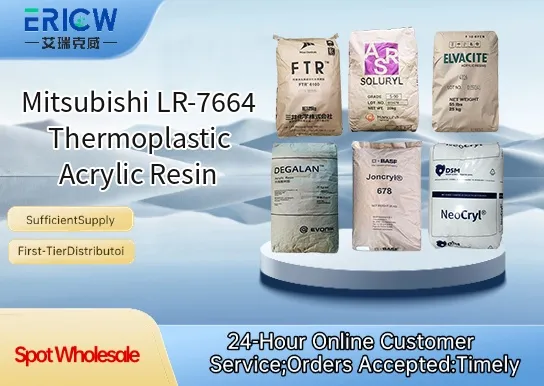
Excellent transparency and UV resistance for long-term outdoor durability.
High melt flow index enabling efficient processing via injection molding and extrusion.
Good impact strength and dimensional stability across a wide temperature range.
Low moisture absorption, minimizing warpage and maintaining optical clarity in humid environments.
Compatible with standard acrylic processing equipment and recyclable within thermoplastic streams.
Automotive lighting lenses and bezels requiring high clarity and weatherability.
Medical device housings where biocompatibility support and sterilization resistance are critical.
Consumer electronics front panels and display covers demanding scratch resistance and gloss retention.
Architectural glazing components including skylights and façade elements.
Signage and visual communication systems requiring consistent color fidelity and printability.
| Chemical Type | Thermoplastic Poly(methyl methacrylate) (PMMA) |
| Product Form | Pellets |
| Appearance | Transparent, colorless granules |
| Melt Flow Index (230°C/3.8 kg) | 12–16 g/10 min |
| Density (23°C) | 1.18–1.20 g/cm³ |
| Transmittance (at 3 mm thickness) | ≥92% (at 550 nm) |
| Vicat Softening Temperature | 105–108°C |
| Primary Applications | Optical components, durable exterior parts, medical-grade enclosures |
Q1: What are the primary processing methods suitable for LR-7664?
A: LR-7664 is designed for thermoplastic processing techniques including extrusion, injection molding, and solution casting. Its low melt viscosity and excellent thermal stability support consistent flow and minimal degradation during standard polymer processing conditions.
Q2: How does LR-7664 contribute to surface hardness and gloss in coating formulations?
A: As a thermoplastic acrylic resin, LR-7664 enhances film-forming integrity and imparts high surface hardness, scratch resistance, and exceptional clarity. It delivers outstanding gloss retention and weatherability, particularly in clear topcoats and protective overprint varnishes.
Q3: Is LR-7664 compatible with common solvent-based and UV-curable systems?
A: Yes — LR-7664 exhibits broad compatibility with aromatic and aliphatic hydrocarbons, ketones, esters, and glycol ethers. It can be incorporated into solvent-borne coatings and serves as a reactive diluent or film-former modifier in hybrid UV-curable systems, though full compatibility should be verified in final formulation.
Q4: What safety and handling considerations apply during industrial use?
A: LR-7664 is supplied as a solid resin and poses minimal inhalation risk when handled as received. Standard industrial hygiene practices are recommended — including adequate ventilation during melting or solvent dissolution, and appropriate PPE (e.g., gloves and eye protection) to prevent skin or mucous membrane contact.
Contact With Us:
E-mail: wangxingqiang@ericwchem.com
Have a Questions? Call Us:
Add:
Building A1, Jiete Industrial Park, Huangpu District, Guangzhou City, Guangdong Province, China