English
 Español
 tiếng việt
 русский
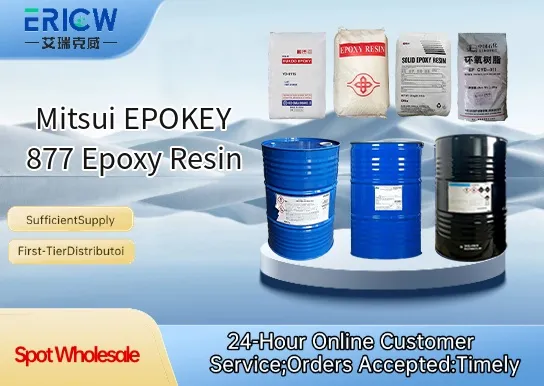
High-purity bisphenol-A type liquid epoxy resin with low chlorine content.
Excellent compatibility with standard amine and anhydride curing agents.
Low viscosity for easy handling, mixing, and impregnation in composite processes.
Superior electrical insulation properties and thermal stability after curing.
Consistent batch-to-batch quality certified under ISO 9001 manufacturing standards.
Electrical encapsulation and potting of transformers, reactors, and insulators.
Matrix resin for high-voltage composite insulators and bushings.
Laminating resin for electrical-grade fiberglass (E-glass) prepregs and laminates.
Binding agent in dry-type transformer windings and cast-resin coil systems.
Base resin for specialty adhesives requiring high dielectric strength and moisture resistance.
| Chemical Type | Bisphenol-A diglycidyl ether (DGEBA) |
| Product Form | Clear, low-viscosity liquid |
| Appearance | Colorless to pale yellow, transparent |
| Epoxy Equivalent Weight (EEW) | 185–192 g/eq |
| Viscosity at 25°C | 12,000–16,000 mPa·s |
| Chlorine Content | ≤ 700 ppm |
| Softening Point | 12–16°C |
| Primary Applications | Electrical insulation, high-voltage composites, encapsulation |
Q1: What is the primary function of EPOKEY 877 in epoxy formulations?
A: EPOKEY 877 functions as a reactive diluent and viscosity modifier, enabling improved processability without significantly compromising the final cured network’s thermal and mechanical performance.
Q2: Is EPOKEY 877 compatible with standard amine and anhydride curing agents?
A: Yes, EPOKEY 877 exhibits broad compatibility with common epoxy hardeners, including aliphatic and aromatic amines as well as cyclic anhydrides, supporting flexible formulation design across coating, adhesive, and encapsulation applications.
Q3: How does EPOKEY 877 compare to traditional glycidyl ether diluents in terms of reactivity and volatility?
A: EPOKEY 877 offers lower volatility and higher molecular weight than conventional mono-functional glycidyl ethers, resulting in reduced VOC emissions and enhanced handling safety during processing, while maintaining favorable reactivity in typical cure schedules.
Q4: Can EPOKEY 877 be used in food-contact or pharmaceutical-grade epoxy systems?
A: While EPOKEY 877 is not pre-qualified for regulated end uses, it may be considered for such applications subject to full formulation evaluation, migration testing, and compliance verification by the end-user under applicable regional regulatory frameworks.
Contact With Us:
E-mail: wangxingqiang@ericwchem.com
Have a Questions? Call Us:
Add:
Building A1, Jiete Industrial Park, Huangpu District, Guangzhou City, Guangdong Province, China